

Signs You’re Doing Cardio Too Hard (And How to Fix It)
Pushing your physical limits during workouts often feels rewarding and empowering. Many people believe that harder workouts always produce faster fitness results. However, driving your body to maximum exertion every single day causes serious long-term problems. Your body requires a delicate balance between active physical stress and adequate biological rest. Overstepping this boundary leads to severe physical burnout, joint degradation, and chronic physical fatigue.
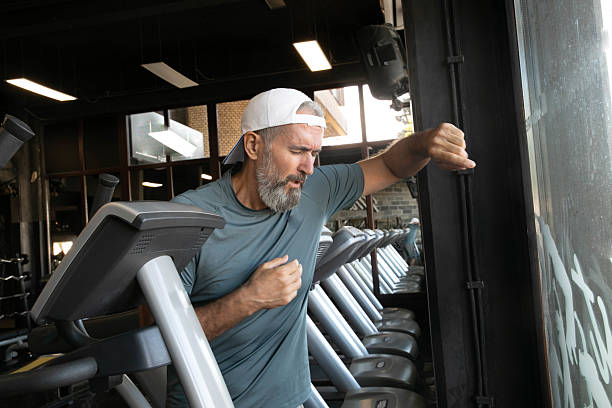
Cardiovascular training should strengthen your heart, boost daily energy, and improve your overall lifespan. Exercising at excessive intensity converts a healthy habit into a damaging physical burden. Recognizing the early signs of overtraining helps you adjust your routine before serious damage occurs. This comprehensive guide outlines the major warning signs of excessive cardio and provides simple solutions.
The Hidden Danger of the No Pain No Gain Mindset
The modern fitness industry often promotes an intense no pain no gain philosophy. Beginners and experienced athletes frequently fall into the trap of believing that sweat and exhaustion dictate success. They assume that if a 30 minute workout feels good, an intense 90 minute session works three times better.
This aggressive mindset ignores basic human exercise physiology and recovery needs. Your body adapts and grows stronger during rest periods, not during the actual workout session. Forcing high physical exertion without adequate recovery causes micro trauma to accumulate rapidly inside your muscle tissues.
- Extreme exercise elevates chronic stress hormones like cortisol inside your bloodstream continuously.
- Excessive physical fatigue disrupts your immune system, making you vulnerable to frequent viral infections.
- Constant joint pounding depletes protective cartilage, causing premature joint stiffness and pain.
- Chronic physical exhaustion drains mental motivation, leading to complete exercise avoidance eventually.
Shifting your mental approach toward sustainable physical movement protects your long-term health. Smart training prioritizes consistency, proper movement quality, and active recovery over extreme physical exhaustion.
1. Elevated Resting Heart Rate Upon Waking
Your resting heart rate serves as an accurate window into your central nervous system health. Checking your pulse first thing in the morning reveals how well your body recovers overnight.
When you push your cardio workouts too hard, your sympathetic nervous system stays chronically active. This fight or flight state forces your heart to work harder even while resting in bed. A persistent increase of 5 to 10 beats per minute above your normal baseline signals overtraining.
| Resting Heart Rate Status | Average Pulse Range | Physiological Nervous System State |
| Optimal Recovery State | 50 to 70 Beats Per Minute | Balanced parasympathetic recovery state |
| Moderate Fatigue State | 5 to 7 BPM above normal baseline | Mild sympathetic stress activation |
| Severe Overtraining State | 10+ BPM above normal baseline | Chronic sympathetic overload state |
Track your morning pulse consistently using a simple timer or a basic fitness watch. If your resting heart rate remains elevated for several consecutive days, scale back your workout intensity immediately.

2. Chronic Muscle Soreness That Refuses to Heal
Mild muscle soreness after a challenging new workout is completely normal for active individuals. This temporary discomfort typically peaks within 48 hours and fades away smoothly as muscles repair.
However, experiencing deep, persistent muscle soreness that lasts longer than 72 hours signals excessive training volume. When you do cardio too hard, your muscle fibers suffer continuous micro tears without adequate repair time. This constant state of inflammation prevents your legs from building strength and stamina.
- Your legs feel heavy, stiff, and dead when walking up basic household stairs.
- Deep touch pressure on your quads or calves causes noticeable physical tenderness daily.
- Normal daily activities like sitting or standing trigger lingering muscle discomfort continuously.
- Your muscles feel tight and lack normal flexibility even after thorough light stretching.
Give sore muscle groups adequate time to rebuild before subjecting them to another intense cardio routine. Continuing to push through severe muscle pain eventually leads to acute tendon tears and joint damage.
3. Persistent Sleep Disturbances and Night Sweats
Intense physical exercise normally promotes deep, restful sleep by tiring your muscular system naturally. However, doing cardio too hard creates the exact opposite effect, triggering chronic sleep disruptions.
Excessive cardiovascular stress floods your body with adrenaline and cortisol late into the evening. High cortisol levels suppress natural melatonin production, preventing your brain from settling into deep sleep cycles. You might struggle to fall asleep, wake up frequently, or experience restless tossing and turning all night.
| Sleep Disturbance Pattern | Primary Biological Cause | Practical Solution |
| Inability to Fall Asleep | High evening adrenaline and cortisol | Shift intense workouts to early morning |
| Frequent Night Waking | Low blood sugar and elevated stress | Eat a light protein snack before bed |
| Unrefreshing Morning Sleep | Lack of deep REM sleep cycles | Take two consecutive complete rest days |
Chronic sleep deprivation compounds physical fatigue, making your next workout feel infinitely harder. Quality sleep remains the single most powerful recovery tool available for rebuilding tired physical tissues.
4. Declining Exercise Performance Despite Hard Effort
A clear sign of overtraining involves experiencing worse workout performance despite pushing yourself much harder. You might notice that your normal running pace feels exhausting, or your cycling wattage drops significantly.
When your energy stores stay chronically depleted, your muscle cells cannot generate rapid physical force. Your central nervous system limits muscle unit recruitment to protect your vital organs from severe damage. Forcing your body through this natural protective barrier yields zero fitness gains and increases injury risks.
- You struggle to complete workout durations that felt easy and smooth two weeks ago.
- Your heart rate spikes unnaturally fast during low intensity warm up movements.
- You experience sudden muscular weakness or early failure during basic exercise sets.
- Your overall workout output drops continuously across consecutive weekly training sessions.
A sudden plateau or drop in exercise performance is your body’s clear cry for immediate rest. Lowering your workout volume allows your cellular energy stores to refill completely for future gains.
5. Frequent Colds and Weakened Immune Function
Regular moderate exercise strengthens your immune system by enhancing white blood cell circulation throughout your body. However, excessive high intensity cardio creates a temporary window of immune suppression post workout.
When you push beyond your recovery capacity, your body diverts vital cellular resources toward tissue repair. This continuous stress leaves your upper respiratory tract vulnerable to airborne viruses and opportunistic bacterial infections. Falling sick frequently with mild colds, sore throats, or sinus congestion indicates severe systemic exhaustion.
- You contract multiple head colds or respiratory viruses within a single short season.
- Minor scratches, cuts, or skin blemishes heal unusually slow over extended timeframes.
- You experience persistent throat tickles, swollen lymph nodes, or low grade fever feelings.
- Lingering seasonal allergies feel dramatically worse and last significantly longer than normal.
Protect your long-term health by prioritizing rest whenever your immune system struggles to function. Continuing intense cardio while sick prolongs illness duration and places dangerous strain on your heart.
6. Sudden Mood Swings and Mental Brain Fog
Your brain and nervous system consume massive amounts of cellular energy during high intensity physical movement. When you overtrain your body, your central nervous system becomes severely fatigued alongside your skeletal muscles.
Central nervous system fatigue disrupts delicate neurotransmitter balances in your brain, altering your emotional state directly. You may experience unexplained irritability, sudden anxiety, low daily motivation, or feelings of mild depression. Mental brain fog makes basic daily focus, work tasks, and decision making feel exceptionally difficult.
- You feel unusually snappy, impatient, or irritated with family members and coworkers.
- Your daily work productivity drops because maintaining mental concentration feels exhausting.
- You lose all genuine excitement, joy, and enthusiasm for your favorite workout activities.
- You experience sudden feelings of overwhelming dread when thinking about your upcoming workout.
Physical health and mental health share an inseparable biological connection across your lifetime. Treating exercise as a gentle form of self care restores mental clarity and emotional balance.
7. Uncontrolled Craving for Sugar and Constant Hunger
Doing cardio at excessive intensity shifts your primary fuel source away from fats and entirely onto carbohydrates. Intense anaerobic efforts burn through stored muscle glycogen rapidly, leaving your cellular fuel tanks completely empty.
This rapid glycogen depletion triggers powerful hormonal signals in your brain that drive extreme hunger cues. You might experience intense, uncontrollable cravings for quick simple carbohydrates, sugary snacks, and dense processed foods. Eating constantly without feeling truly satisfied indicates that your metabolic system remains stressed and underfueled.
| Metabolic Energy Need | Ideal Nutritive Fuel Source | Practical Recovery Example |
| Muscle Glycogen Repair | Complex slow digesting carbohydrates | Oatmeal with berries or sweet potatoes |
| Muscle Tissue Synthesis | Lean bioavailable dietary protein | Grilled chicken, eggs, or Greek yogurt |
| Hormonal Regulation | Healthy essential fatty acids | Fresh avocados, almonds, or olive oil |
Fueling your body properly reduces extreme hunger spikes and supports stable blood sugar levels throughout the day. Match your carbohydrate intake to your actual activity level to keep your metabolic system balanced.
8. Hormonal Imbalances and Loss of Menstrual Cycle
Chronic physical stress from excessive cardio alters your endocrine system, disrupting vital hormone production pathways. When energy expenditure exceeds energy intake significantly, your brain perceives your environment as unsafe and resource scarce.
In women, this extreme energy deficit can cause exercise induced amenorrhea, where normal menstrual cycles stop completely. Lowered estrogen levels weaken bone mineral density, increasing the risk of painful stress fractures significantly over time. In men, chronic overtraining lowers baseline testosterone levels, reducing muscle mass, sexual drive, and daily vitality.
- Women experience irregular, delayed, or completely missed monthly menstrual periods unexpectedly.
- Men notice a sudden drop in morning erections, lower sex drive, and loss of muscle tone.
- Baseline body temperature drops slightly, making you feel uncomfortably cold in normal rooms.
- Thyroid hormone output decreases, slowing down your resting metabolic rate and energy production.
Restoring hormonal balance requires reducing workout volume and increasing daily caloric intake immediately. Protecting your reproductive and bone health must take absolute priority over short-term physical fitness aesthetics.
9. Chronic Joint Discomfort and Persistent Tendon Pain
Cardiovascular exercises like running, jumping, and high impact aerobics subject your joints to thousands of repetitive landings. When done in moderation, this stress strengthens bone tissue and stimulates healthy cartilage maintenance.
However, doing high impact cardio too hard deprives your tendons and ligaments of crucial repair time. Tendons possess minimal blood supply compared to muscle tissue, meaning they heal at a much slower rate. Repetitive pounding leads to chronic inflammation, causing conditions like Achilles tendonitis, patellar tendinopathy, and plantar fasciitis.
- Your knees, ankles, or hips ache with a dull, throbbing sensation during rest periods.
- Taking your first steps out of bed in the morning causes sharp heel or foot arch pain.
- Joint stiffness requires ten to fifteen minutes of movement before feeling somewhat manageable.
- You notice visible swelling, warmth, or mild redness around major joint capsular areas.
Ignoring joint pain and masking symptoms with anti-inflammatory medications leads directly to severe structural damage. Switch to smooth, low impact exercises immediately to protect your joint surfaces from permanent wear.
10. Fix 1: Embrace Zone 2 Low Intensity Aerobic Training
The most effective fix for cardiovascular overtraining involves shifting a large portion of your workouts to Zone 2. Zone 2 cardio represents an easy, conversational pace where your heart rate stays between 60 and 70 percent of max.
Training in Zone 2 burns stored body fat cleanly without accumulating high amounts of lactic acid or stress hormones. This low intensity pace stimulates mitochondrial growth, strengthens your heart muscle, and promotes rapid active recovery. You can complete long Zone 2 sessions without draining your central nervous system or damaging joint cartilage.
- Use the talk test: you should be able to speak full, comfortable sentences without gasping.
- Keep your breathing strictly nasal throughout the workout session to ensure low physical stress.
- Try incline walking on a treadmill, easy outdoor cycling, or smooth elliptical training sessions.
- Cap your heart rate strictly within your calculated target zone using a reliable chest strap monitor.
Building a massive aerobic foundation using Zone 2 training allows you to perform better during high intensity sessions later. Aim to spend roughly 80 percent of your total weekly training volume in this comfortable, low stress zone.
11. Fix 2: Schedule Strategic Rest Days and Deload Weeks
Rest days are not a sign of physical weakness; they are a necessary biological component of athletic progress. Incorporating planned rest days into your weekly routine allows your body to repair tissue and adapt to training stress.
Schedule at least two full rest days every week where you refrain from intense physical exertion completely. Every four to six weeks, implement a planned deload week by cutting your overall workout volume and intensity in half. Deload weeks flush out accumulated fatigue, protect joint structures, and reset your central nervous system for future gains.
| Training Cycle Phase | Weekly Volume Level | Target Exercise Intensity |
| Progressive Building Phase | 100% normal planned volume | Gradual increase across 3 to 4 weeks |
| Strategic Deload Phase | 50% reduced normal volume | 50% lowered exertion intensity level |
| Active Recovery Rest Day | Zero planned intense cardio | Light walking and gentle mobility work |
Treating rest with the same discipline you bring to your hardest workouts transforms your physical health. Planned rest prevents unexpected forced breaks caused by severe acute injuries or extreme physical exhaustion.

12. Fix 3: Optimize Post Workout Nutrition and Hydration
Proper nutrition supplies the raw raw building blocks required to repair damaged muscle fibers and replenish depleted cellular energy. Exercising hard without consuming adequate calories keeps your body in a destructive, catabolic state for extended periods.
Consume a balanced post workout meal containing high quality protein and complex carbohydrates within two hours of finishing. Protein supplies essential amino acids for muscle repair, while carbohydrates restore depleted muscle glycogen reserves quickly. Drinking plenty of water supplemented with vital electrolytes restores cellular fluid balance and supports nerve conduction.
- Eat 20 to 40 grams of lean protein post workout to stimulate muscle protein synthesis rapidly.
- Include complex carbohydrates like sweet potatoes, brown rice, or oats to refill glycogen stores.
- Sip water continuously throughout your day until your urine appears clear or very light yellow.
- Replenish lost sodium, potassium, and magnesium after heavy sweating sessions to avoid cramping.
Properly fueling your body dramatically reduces post workout soreness, lowers stress hormones, and accelerates total physical recovery. Never use exercise as a punishment for eating, and never starve your body after hard workouts.
13. Fix 4: Prioritize Quality Sleep and Daily Stress Management
Sleep is the ultimate natural performance enhancing tool available for human health and biological recovery. During deep sleep stages, your brain releases surges of natural growth hormone to repair damaged physical tissues.
Optimize your sleep hygiene by establishing a consistent sleep schedule, keeping your bedroom dark and cool, and avoiding screens. Managing daily psychological stress from work and relationships also frees up precious biological energy for workout recovery. Practice deep breathing exercises, light outdoor walking, or gentle meditation to calm your nervous system daily.
- Go to sleep and wake up at the exact same times every day to lock in your circadian rhythm.
- Keep your bedroom temperature cool, ideally between 60 and 67 degrees Fahrenheit for deep rest.
- Eliminate exposure to blue light screens at least 60 minutes before climbing into bed at night.
- Practice 5 to 10 minutes of deep belly breathing post workout to shift into a parasympathetic state.
Quality sleep transforms how your body handles physical stress and accelerates physical fitness adaptations dramatically. Protect your rest time fiercely, as no diet or supplement can compensate for chronic sleep deprivation.
14. Fix 5: Cross Train with Strength Work and Mobility
Relying exclusively on high impact cardio creates repetitive stress on identical joint angles and muscle groups continuously. Incorporating strength training and mobility work creates a balanced, resilient physical body that resists overuse injuries easily.
Resistance training strengthens the tendons, ligaments, and bones surrounding your major joints, making them resistant to landing forces. Dynamic mobility work improves joint movement range, allowing your muscles to slide smoothly without painful friction or tightness.
- Perform full body strength workouts two days per week, focusing on movements like squats and rows.
- Strengthen your core muscles to support your spine and pelvis during running and cycling movements.
- Dedicate 10 minutes post workout to static stretching for your calves, hamstrings, and hip flexors.
- Utilize a foam roller to massage tight muscle fascia and improve localized blood flow to sore tissue.
Cross training builds a powerful physical armor that protects your body during cardio workouts. Variety keeps your training routine exciting, balanced, and physically sustainable across your entire lifetime.
Conclusion
Exercise should enhance your life, boost your daily energy, and protect your physical health for decades to come. Doing cardio too hard turns a beneficial practice into a source of chronic stress, pain, and systemic exhaustion. Pay close attention to early warning signs like elevated resting heart rate, poor sleep, declining performance, and persistent joint pain. Fix your routine by embracing low intensity Zone 2 training, scheduling strategic rest days, prioritizing quality sleep, and fueling properly. Balance hard work with deep biological recovery, and treat your body with the care and respect it deserves. Start today by listening to your body’s signals, and build a sustainable fitness routine that lasts a lifetime.
Frequently Asked Questions
How do I know if I should take a rest day or push through fatigue?
If your fatigue stems from mild daily stress or mental laziness, a light low intensity workout often helps. However, if you experience elevated resting heart rate, joint pain, or heavy muscle soreness, take a complete rest day.
Can doing cardio too hard actually cause weight gain?
Yes. Excessive high intensity cardio elevates cortisol levels continuously, which promotes abdominal fat storage and water retention. Chronic overtraining also increases extreme hunger cravings, leading to accidental caloric overconsumption.
How long does it take to recover completely from cardiovascular overtraining?
Recovery timelines depend heavily on how long you have been overtraining your body. Mild physical fatigue resolves with three to seven days of proper rest, while severe systemic overtraining requires several weeks or months.
Is high intensity interval training (HIIT) dangerous to do every day?
Yes. True high intensity interval training places immense stress on your central nervous system and joint structures. You should cap true HIIT sessions at one or two times per week, spacing them out with easy Zone 2 cardio.
Can I do low impact walking on my planned rest days?
Yes. Light, casual walking for 20 to 30 minutes promotes active circulation without triggering stress hormones or damaging muscle tissue. Gentle walking supports recovery while helping you stay active without pushing too hard.
Discover more from Muscle Archive
Subscribe to get the latest posts sent to your email.