
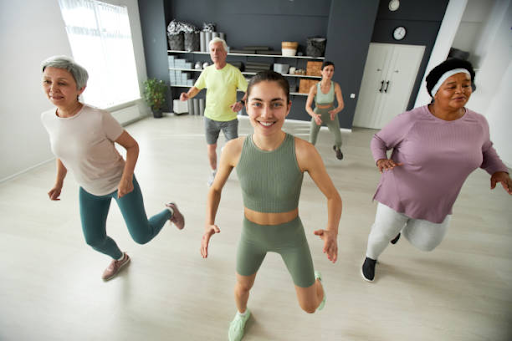
Low-Impact Aerobics for Beginners: A Complete Starter Guide
Starting a new fitness journey can feel intimidating, confusing, and physically overwhelming. Many traditional exercise programs push high intensity routines that cause joint pain, sore knees, and extreme fatigue. Beginners often quit exercising because high impact routines feel far too painful on their bodies.
Low impact aerobics offers a gentle, highly effective alternative for long term physical health. This versatile workout style elevates your heart rate without placing harsh stress on your skeleton. You keep at least one foot firmly planted on the ground during every movement. This complete starter guide will help you master low impact aerobics safely inside your own home.
What Is Low-Impact Aerobics and How Does It Work?
Low impact aerobics involves continuous physical movement that protects your ankles, knees, hips, and lower back. Traditional high impact workouts involve aggressive jumping, leaping, and fast running movements. Those high impact exercises send harsh shockwaves through your skeleton every time your feet hit the floor.
Low impact movements eliminate heavy landing force completely while keeping your body in constant physical motion. You lift your heart rate using rhythmic upper body and lower body exercises.
- You keep one foot firmly anchored on the floor at all times during the workout.
- You move continuously to raise your core body temperature and induce healthy sweating naturally.
- You engage large muscle groups like your glutes, quads, hamstrings, and upper back muscles.
- You control your movement speed to avoid sudden physical strain, loss of balance, or injury.
This gentle exercise style builds exceptional cardiovascular endurance without wearing out your delicate joint cartilage. It allows beginners, seniors, and recovering athletes to build physical strength at a safe, sustainable pace.
Key Health Benefits of Low-Impact Cardiovascular Exercise
Low impact cardio delivers all the major physiological health benefits of high intensity exercise routines. Regular participation improves heart function and strengthens your entire respiratory system over time without physical burnout.
- It strengthens your heart muscle and improves resting blood circulation throughout your body daily.
- It helps lower elevated blood pressure levels without requiring harsh or dangerous physical exertion.
- It burns calories continuously to support long term body weight management and fat loss goals.
- It enhances cellular insulin sensitivity to help regulate blood sugar levels effectively after meals.
- It boosts mental mood by releasing feel good brain chemicals called endorphins into your bloodstream.
Consistent low impact exercise protects your physical well being while reducing injury risks to near zero. You gain athletic endurance while keeping your knee joints and spinal discs healthy, hydrated, and intact.

Comparing Low-Impact vs High-Impact Workouts
Understanding the core differences between exercise styles helps you choose the right path for your fitness level. Both styles improve physical fitness, but they impact your internal organ systems and skeletal joints quite differently.
| Workout Characteristic | Low-Impact Aerobics | High-Impact Aerobics |
| Joint Stress Level | Very low stress on cartilage and connective tissue | High mechanical impact force on knees and ankles |
| Foot Contact | One foot stays grounded on the floor at all times | Both feet leave the ground simultaneously during jumps |
| Injury Risk | Minimal risk for beginners and overweight individuals | Higher risk of acute ligament strain and shin splints |
| Caloric Expenditure | Steady, sustainable burn across longer timeframes | Rapid, high intensity burn across short intervals |
| Recovery Time | Short, easy muscle recovery requiring minimal rest | Long, intense recovery period due to muscle damage |
Low impact workouts provide a safer environment for building long term exercise consistency and physical endurance. High impact exercises require strong joints, dense bones, and highly developed stabilizer muscles to prevent painful injuries.
Essential Equipment and Comfortable Gear for Beginners
You do not need expensive gym memberships or high tech gear to start practicing low impact aerobics. You can complete effective, calorie burning workouts inside your living room using basic household items and simple clothing.
Invest in supportive athletic shoes with cushioned soles, solid traction, and good arch support. Proper shoes absorb subtle movement impact and keep your ankles stable during side to side lateral movements. Wear breathable, moisture wicking clothing that allows full physical freedom of movement without chafing your skin.
| Gear Item | Primary Fitness Purpose | Beginner Recommendation |
| Supportive Shoes | Absorbs movement shock and protects ankle joints | Standard cross training running or walking shoes |
| Exercise Mat | Provides a non slip surface for floor movement | Thick foam yoga, pilates, or workout floor mat |
| Water Bottle | Maintains fluid balance and prevents cellular dehydration | Reusable 32 ounce insulated water bottle |
| Light Hand Weights | Adds gentle upper body resistance during stepping | 1 to 3 pound neoprene coated handheld dumbbells |
Keep your designated workout space clean, flat, quiet, and well ventilated before starting your active routine. Remove loose area rugs, pet toys, or household clutter to prevent accidental trips, slips, and falls.
Essential Warm-Up Movements to Prepare Your Body
A proper warm up prepares your cardiovascular system, lungs, and skeletal muscles for active physical movement. Never skip your warm up routine, as cold muscle fibers remain highly vulnerable to acute strain and tearing.
Spend five to ten minutes completing dynamic, controlled movements before increasing your foot speed or movement range. Dynamic stretching increases blood flow to your working muscles and lubricates your joints with natural synovial fluid.
- Perform slow arm circles forward and backward to loosen up tight shoulder joints.
- Gentle torso twists help mobilize your spine, core muscles, and lower back safely.
- March softly in place while breathing deeply to raise your heart rate gradually.
- Low side steps prepare your hip flexors, inner thighs, and outer glutes for lateral movement.
Warming up signals your brain and cardiovascular system that physical work is about to begin. It transitions your body safely into an active aerobic state without spiking your stress hormones unnaturally.
Core Low-Impact Exercises Every Beginner Should Learn
Mastering basic low impact exercises allows you to build customized, fun workout routines at home. Practice these foundational movements slowly at first to build proper physical form, coordination, and rhythm.
Marching in Place
Marching in place serves as the classic foundational low impact aerobic movement for all fitness levels. Lift your knees toward your waistline while swinging your opposite arms rhythmically alongside your torso. Focus on maintaining a tall, upright posture and engaging your deep abdominal core muscles continuously throughout the march.
Step-Touches
Step your right foot out to the right side, then bring your left foot across to meet it gently. Repeat the exact same side step movement to the left side in a smooth, continuous rhythm. Add gentle arm pumps, front punches, or chest presses to increase your total body calorie burn instantly.
Low-Impact Grapevine
Step your right foot to the side, cross your left foot behind it, and step right again smoothly. Tap your left toe on the floor, then reverse the entire movement sequence back to the starting position. The grapevine movement pattern improves foot coordination, balance, and lateral hip mobility in a safe manner.
Building Your First Weekly Low-Impact Workout Routine
Structuring a consistent weekly exercise plan keeps you accountable and builds positive physical momentum over time. Beginners should aim for three to four structured cardiovascular workouts every week for consistent heart health gains.
Allow rest days or light walking days between active workout days so your muscle tissue recovers properly. You can gradually increase your total exercise time as your cardiovascular endurance and leg strength improve over time.
| Day of the Week | Planned Physical Activity | Target Exercise Duration |
| Monday | Beginner Low-Impact Aerobics Routine | 20 to 25 minutes total workout |
| Tuesday | Active Recovery or Gentle Walking | 30 minutes light outdoor pace |
| Wednesday | Beginner Low-Impact Aerobics Routine | 20 to 25 minutes total workout |
| Thursday | Complete Rest Day | Zero planned physical workout |
| Friday | Beginner Low-Impact Aerobics Routine | 25 to 30 minutes total workout |
| Saturday | Active Recovery or Fun Physical Hobby | 30 minutes light open activity |
| Sunday | Complete Rest Day | Zero planned physical workout |
Consistency matters far more than intense physical exertion when building a new lifelong exercise habit. Stick to your weekly schedule as closely as possible to see steady improvements in your overall stamina.
Controlling Workout Intensity with Upper Body Movements
You can easily adjust your workout difficulty without jumping, leaping, or increasing joint strain on your legs. Incorporating active arm movements raises your heart rate significantly without adding any extra lower leg impact force.
- Reach your arms high overhead during side steps to increase cardiovascular effort instantly.
- Perform continuous chest presses using light dumbbells while marching in place steadily.
- Add punch combinations during low front kicks to engage your shoulders and core muscles.
- Circle your arms continuously overhead during knee lifts to boost calorie burn immediately.
Raising your hands above your heart forces your cardiovascular system to pump blood against gravity much harder. This clever technique allows you to burn significantly more calories while keeping both feet grounded safely.
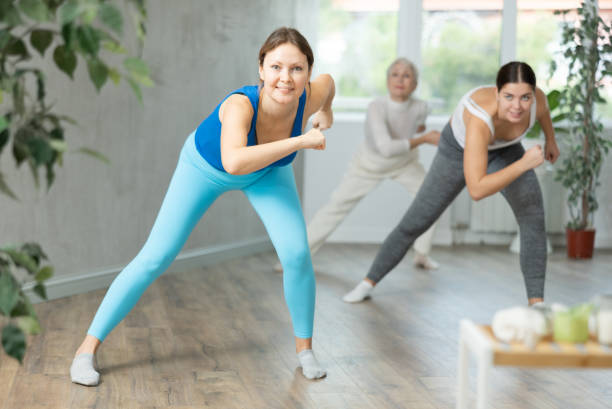
Maintaining Correct Posture and Exercise Form
Executing proper form prevents unnecessary muscle strain, protects your spine, and maximizes all workout benefits. Bad movement posture can lead to lower back discomfort, neck stiffness, and shallow breathing patterns during exercise.
Keep your head up, shoulders relaxed down away from your ears, and chest lifted high during every movement. Engage your deep core muscles by gently pulling your belly button toward your spine throughout your session. Avoid arching your lower back excessively or leaning forward from the waist while marching or stepping sideways.
Land softly on the midfoot before rolling gently through to your heels during all stepping movements. Soft foot landings protect your delicate leg joints and promote quiet, smooth movement control inside your workout space.
Using the Talk Test to Monitor Your Heart Rate
Monitoring your exercise intensity ensures you remain within a safe, effective target aerobic zone during workouts. Beginners often make the mistake of pushing far too hard early, leading to premature exhaustion and quitting.
The talk test provides a reliable, practical, and free way to measure your aerobic effort without fancy heart monitors. You should be able to speak full sentences comfortably without gasping for air between your words.
- Light Effort Zone: You can sing songs aloud comfortably while moving your feet continuously.
- Target Aerobic Zone: You can talk in full sentences, but you cannot sing easily.
- Excessive Effort Zone: You struggle to speak single words due to heavy, rapid gasping.
Keep your exercise intensity strictly within the target aerobic zone during your active weekly sessions. If you cross into the excessive effort zone, slow your foot speed and lower your arms down immediately.
Hydration and Nutrition Tips for Aerobic Beginners
Proper daily nutrition and hydration fuel your workouts effectively and accelerate your post exercise recovery process. Exercising while dehydrated causes early muscle fatigue, lightheadedness, elevated heart rate, and painful leg cramps.
Drink a large glass of clean water two hours before starting your planned low impact aerobic workout. Sip small amounts of fresh water every ten minutes during your active exercise session to maintain balance. Rehydrate immediately after finishing your workout to replace all fluids lost through breathing and sweat production.
Eat a light pre workout snack containing complex carbohydrates roughly 60 minutes before your exercise session. A small banana or a slice of whole grain toast provides steady, clean energy for your muscles. Eat a balanced post workout meal rich in lean protein after exercising to support rapid muscle repair.
Cool-Down Protocols to Normalize Heart Rate
A thorough cool down transition brings your body and cardiovascular system safely back to its resting baseline state. Abruptly stopping intense exercise can cause blood pooling inside your lower legs, leading to sudden lightheadedness or fainting.
Spend five to ten minutes gradually lowering your foot speed, stepping range, and overall arm height. Slow your marching to a gentle walk in place until your breathing rate returns completely to normal.
Complete static stretches for your calves, hamstrings, quadriceps, hip flexors, and shoulders after cooling down fully. Hold each static stretch comfortably for 20 to 30 seconds without bouncing or forcing the joint range. Stretching warm muscle tissue improves joint flexibility over time and reduces post workout muscle tightness significantly.

Overcoming Common Beginner Hurdles and Staying Motivated
Starting any new physical routine comes with mental and physical challenges that test your personal commitment. Expecting these normal hurdles in advance allows you to prepare effective practical strategies to overcome them smoothly.
- Initial Muscle Fatigue: Expect mild leg muscle tiredness during your first two weeks of training.
- Workout Boredom: Play your favorite upbeat music playlists to keep workouts exciting, fun, and energetic.
- Busy Work Schedules: Divide longer workouts into two separate 10 minute mini sessions across your day.
- Lack of Visible Progress: Track your workout times in a physical journal to celebrate small daily victories.
Remind yourself why you decided to start your health journey whenever your personal motivation feels low. Small, consistent daily physical efforts compound over time into dramatic improvements in energy, health, and confidence.
Modifying Workouts for Seniors and Joint Pain
Low impact aerobics is exceptionally adaptable for seniors, overweight individuals, or anyone managing chronic joint pain. You can easily modify standard aerobic movements to suit your current physical capabilities safely without pain.
Perform your aerobic exercises while sitting upright in a sturdy, armless kitchen or dining chair. Chair aerobics allows seniors to build heart health and arm stamina without any fall risks or knee pain.
Reduce the range of motion for leg steps if your hips or knees feel sore, tight, or inflamed. Keep your arm movements lower than shoulder height to protect sensitive shoulder joints and rotator cuff tissues. Always listen closely to your body’s pain signals and stop any movement that causes acute sharp discomfort.
Transitioning from Beginner to Intermediate Workouts
As your cardiovascular endurance improves over weeks of consistent training, your initial beginner workouts will feel significantly easier. You can safely increase your total workout challenge without ever introducing high impact jumping or running.
Increase your total workout duration gradually from 20 minutes up to 30 or 40 minutes per session. You can also incorporate light handheld weights or soft resistance bands to increase total upper body muscle engagement.
Try shortening your planned rest intervals between exercise sets to keep your working heart rate higher. Introducing faster footwork or larger lateral steps boosts calorie burn while maintaining total joint safety throughout. Continually challenging your physical body guarantees ongoing cardiovascular health and physical fitness improvements over time.
Conclusion
Low impact aerobics provides a safe, highly effective, and enjoyable pathway to building lifelong physical fitness. You do not need to jump, run, or endure painful knees to improve your cardiovascular heart health. By keeping one foot grounded at all times, you protect your joint cartilage while burning calories effectively. Start with basic foundational exercises like marching in place, step touches, and grapevines at a comfortable pace. Structure a realistic weekly plan, focus on correct posture, and monitor your breathing effort using the talk test. Pair your exercise routine with good whole food nutrition, proper daily hydration, and restful sleep for optimal health results. Take your first step today and enjoy the rewarding journey toward a healthier, more energetic body.
Frequently Asked Questions
How many times a week should a beginner do low impact aerobics?
Beginners should aim for three to four days of low impact aerobics every week. Allow rest days or light active recovery days between workout sessions to give your muscles adequate time to repair and adapt.
Can low impact aerobics help me lose weight effectively?
Yes. Low impact aerobics burns calories continuously while keeping your joints safe from overuse injuries. Combine your regular aerobic exercise sessions with a balanced, calorie controlled whole food diet to achieve sustainable weight loss.
Do I need specialized equipment to do low impact aerobics at home?
No. You do not need specialized equipment or expensive machinery to complete effective low impact workouts at home. A pair of supportive athletic shoes and a clear, non slip floor space are all you need to start.
Is low impact aerobics safe for people with knee or back pain?
Yes. Low impact aerobics protects sore joints because you keep at least one foot anchored on the ground. Always maintain proper posture and modify or reduce your movement range if you experience any acute joint discomfort.
How long should a beginner low impact workout session last?
Beginners should start with short 15 to 20 minute workout sessions to build basic stamina safely. As your cardiovascular health and leg strength improve over time, gradually increase your workouts to 30 or 40 minutes.
Discover more from Muscle Archive
Subscribe to get the latest posts sent to your email.