
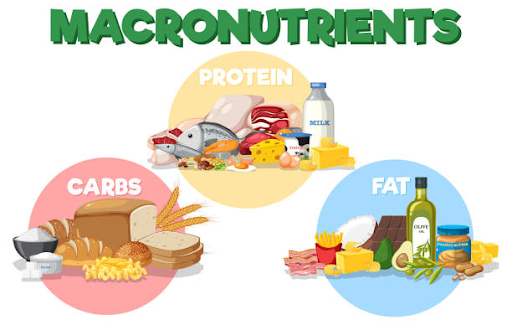
Macronutrients Explained: How Protein, Carbs and Fat Work Together
Every single bite of food you swallow contains vital chemical compounds that fuel your physical life. Modern diet trends often vilify individual nutrients, confusing people who want to eat healthy meals. Some diets demand that you eliminate carbohydrates entirely to burn stubborn body fat fast. Other protocols blame dietary fats for heart health problems and sudden weight gain. However, your body requires a balanced mix of all three primary macronutrients to thrive every day.
Understanding how protein, carbohydrates, and dietary fats function together transforms your relationship with daily nutrition. These three nutrients provide raw thermal energy, build structural tissues, and regulate critical hormone production. Removing any single macronutrient group creates biological stress that harms long term physical wellness. This detailed guide explains macronutrients simply so you can build balanced meals for optimal health.
What Are Macronutrients and Why Do You Need Them?
Macronutrients represent energy providing nutrients that your body requires in large daily quantities. The word macro means large, distinguishing these compounds from vitamins and minerals called micronutrients.
Your body measures the energy stored within these nutrients using heat units called food calories. Every gram of protein, carbohydrate, or fat supplies a specific amount of usable metabolic energy.
- Protein supplies four usable food calories per individual gram consumed.
- Carbohydrates provide four usable food calories per individual gram consumed.
- Dietary fats yield nine usable food calories per individual gram consumed.
- Alcohol supplies seven calories per gram, but offers zero physical nutrition.
Balancing these energy sources ensures your organs receive steady fuel throughout the entire day. A proper macronutrient ratio prevents energy crashes while supporting physical activity and recovery.
The Chemical Structure of the Three Major Nutrients
The structural molecular layout of each macronutrient dictates how your stomach digests and uses it. Protein molecules consist of long chains of nitrogen rich amino acids bound tightly together.
Carbohydrates feature simple or complex sugar rings made from carbon, hydrogen, and oxygen atoms. Dietary fats consist of glycerol backbones attached to long, energy dense fatty acid carbon chains.
| Macronutrient Type | Primary Structural Units | Key Chemical Elements | Digestion Speed Profile |
| Protein | Amino acid chains | Carbon, Hydrogen, Oxygen, Nitrogen | Slow to Moderate |
| Carbohydrates | Sugar rings (Saccharides) | Carbon, Hydrogen, Oxygen | Fast to Moderate |
| Dietary Fats | Fatty acids and Glycerol | Carbon, Hydrogen, Oxygen | Very Slow |
These structural differences explain why different foods affect your hunger levels and digestion speeds uniquely. Combining these structures in a single meal creates a smooth, sustained release of energy.

1. Protein: The Ultimate Structural Building Block
Protein acts as the primary structural material for almost every cell within your physical body. Your body breaks down dietary protein into individual amino acid building blocks during gastric digestion.
Your cells use these amino acids to construct skeletal muscle tissue, skin, hair, and enzymes. Without sufficient dietary protein, your body breaks down existing muscle tissue to meet baseline needs.
- You need protein to repair microscopic tissue tears caused by intense exercise sessions.
- Specialized proteins form immune antibodies that defend your body against harmful pathogens.
- Protein molecules create vital peptide hormones like insulin and human growth hormone.
- Digestive enzymes rely on amino acid structures to break down food inside your gut.
Eating adequate protein preserves lean muscle tissue during periods of weight loss and body fat reduction. It keeps your metabolic rate elevated because processing protein requires significant cellular energy expenditure.
Essential vs Non-Essential Amino Acids
Your body utilizes twenty distinct amino acids to construct every protein molecule in your tissue. Your liver manufactures eleven non-essential amino acids internally from other organic metabolic compounds.
However, your body cannot synthesize the remaining nine essential amino acids under any circumstances. You must obtain these nine essential amino acids directly through your daily food choices.
| Amino Acid Category | Total Count | Body Synthesis Ability | Primary Food Sources |
| Essential Amino Acids | 9 | Cannot synthesize internally | Meat, poultry, fish, eggs, soy |
| Non-Essential Amino Acids | 11 | Synthesized by the liver | Internal synthesis, various foods |
Complete protein sources like eggs, beef, and dairy contain all nine essential amino acids in balanced ratios. Incomplete sources like beans, nuts, and grains require combination with other plant foods to supply all essentials.
2. Carbohydrates: Your Body’s Preferred Fuel Source
Carbohydrates serve as the most efficient and accessible source of cellular energy for your body. Your digestive tract converts dietary carbohydrates into glucose molecules, which enter your bloodstream immediately.
Your brain, central nervous system, and red blood cells rely on glucose for fuel. While your body can process fats for energy, carbohydrates fuel high intensity physical activities best.
- Simple carbohydrates provide quick energy bursts due to their short chemical sugar structures.
- Complex carbohydrates offer sustained energy releases by breaking down slowly in your gut.
- Dietary fiber supports smooth digestion while feeding beneficial gut bacteria in your colon.
- Stored glycogen inside your muscles provides instant explosive power during hard workouts.
Choosing fiber rich complex carbohydrates keeps your blood sugar stable and prevents sudden energy crashes. Carbohydrates spare dietary protein from being burned as fuel, allowing amino acids to build muscle.
Simple vs Complex Carbohydrates Demystified
Understanding the difference between simple and complex carbohydrates helps you manage daily blood sugar levels. Simple carbohydrates consist of single or double sugar units that absorb into your bloodstream fast.
Complex carbohydrates feature long chains of bonded sugar molecules that require extensive digestive effort to break apart. Fiber represents an indigestible complex carbohydrate that regulates intestinal transit times and cholesterol levels.
- Simple Sugars: Found in fruit, honey, table sugar, sodas, and processed candies.
- Complex Starches: Found in whole oats, brown rice, potatoes, quinoa, and legumes.
- Soluble Fiber: Found in apples, oats, and beans; slows gastric emptying and lowers LDL.
- Insoluble Fiber: Found in wheat bran and vegetables; adds digestive bulk to stools.
Selecting complex starches over refined simple sugars maintains steady physical energy for several hours. It prevents aggressive insulin spikes that encourage fat storage and trigger intense hunger pangs later.
3. Dietary Fats: Essential for Hormones and Health
Dietary fat represents a dense, essential macronutrient that modern health advice often misunderstands completely. Your body requires dietary fats to construct cell membranes and absorb essential fat soluble vitamins.
Fats cushion your vital internal organs from physical impact while providing insulation against extreme temperature changes. Furthermore, fats regulate the production of critical steroid hormones like testosterone, estrogen, and cortisol.
- Dietary fats enable the absorption of essential vitamins A, D, E, and K in your gut.
- Cholesterol molecules form the core structural baseline for essential sex hormone production.
- Essential omega-3 fatty acids reduce systemic inflammation and support long term brain function.
- Intestinal fat digestion releases fullness hormones that signal satiety to your brain.
Eliminating dietary fat destroys hormone balances, degrades skin health, and leaves you feeling constantly hungry. Eating healthy fats supports overall metabolic wellness while making your meals taste delicious and satisfying.
Understanding Saturated, Unsaturated, and Trans Fats
Not all dietary fats affect your internal cardiovascular health and cellular function in the same way. Unprocessed natural fats support systemic health, while artificial man-made fats create severe health hazards.
Unsaturated fats feature double chemical bonds that keep them liquid at room temperature environments. Saturated fats feature single bonds, while artificial trans fats undergo chemical hydrogenation to increase shelf life.
| Fat Category | Chemical Structure State | Physical State at Room Temp | Healthy Example Sources |
| Monounsaturated | One double bond | Liquid state | Extra virgin olive oil, avocados |
| Polyunsaturated | Multiple double bonds | Liquid state | Salmon, walnuts, flaxseeds, chia |
| Saturated | Zero double bonds | Solid state | Butter, coconut oil, grass-fed beef |
| Trans Fats | Artificial hydrogenated | Solid state | Commercial baked goods, fried foods |
Prioritize monounsaturated and polyunsaturated fats to support healthy blood lipid profiles and cardiovascular efficiency. Avoid artificial trans fats completely to protect your arteries from harmful inflammatory plaque buildup.

How the Three Macronutrients Work Together
Macronutrients do not function in complete isolation inside your biological metabolic systems during daily life. Eating a balanced meal containing protein, carbohydrates, and fats optimizes digestion and nutrient delivery simultaneously.
Carbohydrates stimulate an insulin response, which shuttles amino acids from protein directly into working muscle cells. Dietary fat slows down gastric emptying, preventing carbohydrates from spiking blood sugar levels too quickly.
- Protein and fat combine to suppress ghrelin, your body’s primary hunger signaling hormone.
- Carbohydrates supply quick fuel, allowing protein to focus on structural tissue repair tasks.
- Dietary fats slow carbohydrate digestion, providing a smooth, long lasting blood glucose curve.
- Protein thermal effects increase total calorie burning during the overall digestion process.
This synergistic interaction demonstrates why balanced meals outperform single nutrient meals for overall energy. Combining all three macronutrients keeps you feeling full, energized, and mentally sharp for hours.
4. Calculating Your Daily Calorie Requirements
Before determining your individual macronutrient targets, you must calculate your total daily energy expenditure (TDEE). Your TDEE accounts for your baseline metabolic rate, daily physical movements, and intentional exercise.
Your basal metabolic rate represents the baseline energy your body burns simply staying alive at rest. Adding your daily activity level to your basal metabolic rate reveals your total calorie needs.
- Calculate your Basal Metabolic Rate using a standard formula like Mifflin-St Jeor.
- Multiply your BMR by an activity factor ranging from 1.2 for sedentary to 1.9 for active.
- Adjust your final total calorie baseline based on your specific body weight goals.
- Subtract 300 to 500 calories for fat loss, or add 300 calories for muscle growth.
Establishing an accurate calorie target provides the functional container for your daily macronutrient setup. Knowing your calorie ceiling ensures that your macronutrient split produces predictable physical body changes.
5. Setting Your Ideal Protein Target
Once you establish your daily calorie target, you must calculate your protein requirements first. Protein represents the anchor macronutrient because your body cannot store extra amino acids for later.
Active individuals and weight lifters require higher protein intakes than sedentary desk workers to preserve muscle. Setting your protein intake properly protects your lean tissue during calorie restricted weight loss phases.
- Set protein to 0.8 to 1.0 grams per pound of body weight for active people.
- Set protein to 1.0 to 1.2 grams per pound of lean mass during fat loss phases.
- Choose lean protein sources like chicken breast, white fish, egg whites, and tofu.
- Distribute your daily protein intake evenly across three to five meals for optimal synthesis.
Securing your protein target first ensures that your muscle repair requirements receive complete priority daily. You protect your physical frame while building a healthy, highly active metabolic rate over time.
Balancing Carbohydrates and Fats for Your Goals
After setting your protein target, you divide your remaining daily calories between carbohydrates and fats. The ideal ratio of carbohydrates to fats varies based on your personal preference and activity level.
Endurance athletes require high carbohydrate intakes to fuel long running, cycling, or swimming sessions constantly. Sedentary individuals often thrive on higher fat and lower carbohydrate setups to manage blood sugar easily.
- Allocate 20% to 35% of your total daily calories to healthy dietary fat sources.
- Fill your remaining daily calorie allowance with nutrient dense complex carbohydrate choices.
- Increase carbohydrates on heavy training days to maximize workout energy and physical power.
- Increase healthy fats on rest days to maintain hormone health while reducing total volume.
Experimenting with different carbohydrate and fat splits helps you identify what makes you feel best. As long as your total calories and protein remain consistent, minor split tweaks matter very little.

The Thermic Effect of Food (TEF) Explained
Your body expends metabolic energy simply digesting, absorbing, and processing the macronutrients you consume daily. This energy expenditure is known as the Thermic Effect of Food, accounting for 10% of energy output.
Different macronutrients require vastly different amounts of metabolic energy to break down and process internally. Protein requires the highest amount of digestive energy, burning up to 30% of its calories during digestion.
| Macronutrient Type | Thermic Effect Percentage | Net Available Calories per 100 Cal |
| Protein | 20% to 30% expenditure | 70 to 80 net usable calories |
| Carbohydrates | 5% to 10% expenditure | 90 to 95 net usable calories |
| Dietary Fats | 0% to 3% expenditure | 97 to 100 net usable calories |
High protein diets increase your daily metabolic rate naturally through this high digestive energy cost. Eating whole, unprocessed foods increases the thermic effect compared to eating highly refined, processed items.
Nutrient Timing: Does When You Eat Matter?
Nutrient timing refers to the strategy of consuming specific macronutrients at tactical times throughout the day. While total daily macronutrients dictate 90% of your progress, strategic timing offers extra performance benefits.
Consuming carbohydrates and protein around your workout window accelerates muscle recovery and replenishes glycogen stores fast. Eating a balanced meal two hours before exercise provides steady blood sugar for intense physical training.
- Consume 30 grams of protein every three to four hours to maximize muscle building.
- Eat complex carbohydrates two hours before workouts to fuel high intensity performance.
- Consume protein and carbohydrates within two hours after finishing intense exercise sessions.
- Avoid high fat meals immediately before intense workouts to prevent stomach discomfort.
Focus on meeting your total daily macronutrient targets consistently before worrying about advanced timing strategies. Once your daily totals are accurate, strategic timing refines your workout performance and recovery speed.
Common Macronutrient Tracking Errors to Avoid
Tracking macronutrients using digital apps helps you understand your nutrition, but common mistakes distort your data. The most widespread tracking error involves guessing food portion sizes instead of using a digital scale.
Another common mistake includes ignoring cooking oils, sauces, and condiments, which contain high amounts of hidden fat calories. A single tablespoon of cooking oil adds over 120 untracked fat calories to your daily total.
- Weigh your food raw on a digital scale for accurate tracking data entries.
- Log cooking oils, salad dressings, and butter used during meal preparation carefully.
- Track liquid calories from fruit juices, sodas, alcohol, and specialty coffee drinks.
- Select verified food entries inside tracking databases to avoid inaccurate user submissions.
Eliminating these tracking mistakes ensures that your actual intake matches your calculated macronutrient targets accurately. Precise data logging allows you to make reliable adjustments when your progress slows down over time.
Conclusion
Mastering your daily nutrition requires understanding how protein, carbohydrates, and dietary fats collaborate inside your body. Protein builds structural tissue, carbohydrates supply explosive fuel, and dietary fats regulate hormones while supporting health. Eliminating an entire macronutrient group creates metabolic imbalances that harm long term physical energy and wellness. Focus on calculating your daily calories, setting an adequate protein target, and balancing carbs and fats smartly. By fueling your body with balanced whole foods, you build a resilient, energetic, and healthy physical frame over time.
Frequently Asked Questions
Can I lose body fat if I eat high carbohydrates every day?
Yes. Body fat loss depends on maintaining a consistent calorie deficit over time, regardless of carbohydrate intake. Consuming high carbohydrates while staying in a calorie deficit yields predictable, steady body fat loss.
What happens to my body if I eat too much protein?
Your body converts excess protein into glucose or stores it as body fat if calories exceed your needs. Healthy kidneys handle high protein intakes easily, but you must drink plenty of water to eliminate nitrogen waste.
Is a low fat diet healthy for long term wellness?
No. Extremely low fat diets disrupt essential hormone production, impair brain function, and prevent fat soluble vitamin absorption. Maintain at least 20% of your daily calories from healthy dietary fats for baseline wellness.
Do I need to eat protein immediately after finishing my workout?
No. The post workout anabolic window lasts several hours rather than a few minutes. Consuming a high protein meal within two hours after your exercise session supports complete muscle recovery effectively.
How do fiber calories work when calculating daily carbohydrates?
Fiber is a type of carbohydrate that your body does not fully digest or absorb. Many people subtract insoluble fiber grams from total carbohydrates to calculate net carbohydrates for daily tracking purposes.
Discover more from Muscle Archive
Subscribe to get the latest posts sent to your email.