
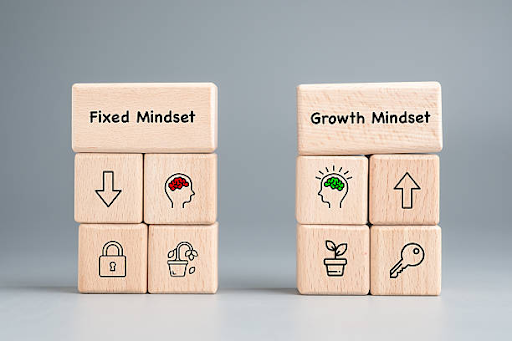
Growth Mindset vs Fixed Mindset in Fitness
Mindset dictates how far you go in your health journey. Most people attribute fitness success to genetics, luck, or raw athletic talent. However, mental perspective plays a far larger role than physical traits. A fixed mindset creates mental walls that limit your physical strength and potential. A growth mindset unlocks steady physical improvement through effort, trial, and strategic adaptation.
Understanding these two mental frameworks alters your daily workout results significantly. People with a fixed mindset quit as soon as exercise becomes uncomfortable or challenging. People with a growth mindset view physical challenges as invitations to build lifelong resilience. You can reshape your entire relationship with exercise by shifting how you process success and failure. This comprehensive guide breaks down how mindset shapes your physical transformations and long-term health outcomes.
What Is a Fixed Mindset in Fitness?
A fixed mindset rests on the core belief that physical abilities remain static over time. Individuals with this perspective believe people are born natural athletes or uncoordinated benchwarmers. They view physical traits, endurance capacity, body composition, and strength potential as permanent inheritances. Consequently, hard work feels completely pointless if natural athletic talent seems absent from the start.
This rigid mental perspective creates deep psychological anxiety around routine exercise. People who hold a fixed mindset constantly fear looking foolish or weak during workouts. They actively avoid trying new equipment, entering busy weight rooms, or testing hard movement variations. They treat physical struggles as immediate proof of inherent physical inferiority. This pervasive fear keeps them trapped inside comfortable, unproductive routines for years without real physical adaptation.
Furthermore, a fixed mindset makes individuals hypersensitive to external judgment. Every failed attempt at a new lift or every slow running pace feels like a public exposure of their flaws. Instead of viewing training as a private process of self-improvement, they view it as a constant test of worthiness. This leads to immense emotional distress and frequent burnout, as the pressure to appear effortlessly capable becomes unbearable over time.
What Is a Growth Mindset in Fitness?
A growth mindset operates on the foundational truth that physical traits adapt continuously over time. Individuals with this view see muscles, stamina, joint mobility, and agility as trainable capacities. They understand that neural pathways and muscle fibers adapt directly to consistent physical demands. Talent serves merely as a simple baseline, but effort and smart strategy determine your final destination.
This empowering framework transforms your daily exercise perspective completely. Difficulty no longer signals personal inadequacy or biological failure during a workout session. Instead, intense physical struggle indicates that your cardiovascular system and muscular structures are expanding their limits. You stop seeking instant validation from easy, light efforts. Instead, you focus on steady, incremental learning, movement mastery, and sustainable long-term health habits.
Moreover, a growth mindset fosters deep intrinsic motivation. Rather than working out solely for external praise or quick aesthetic changes, individuals learn to love the physical process itself. They derive genuine satisfaction from mastering a complex movement, building endurance, or staying consistent through busy workweeks. This internal focus makes their fitness journey far more resilient against life disruptions, schedules, and external pressures.

Comparing the Core Principles of Both Mindsets
| Core Principle | Fixed Mindset Perspective | Growth Mindset Perspective |
| Base Trait View | Physical talent is completely genetic and unchangeable. | Capabilities develop through effort, smart training, and time. |
| View of Hard Work | High effort proves you lack natural athletic talent. | Effort represents the singular path to muscle adaptation and skill. |
| Reaction to Setbacks | Setbacks prove personal failure and signal time to quit. | Setbacks offer valuable feedback to fix current training plans. |
| Response to Challenge | Avoids tough workouts to protect personal self-image. | Embrace hard exercises to push baseline performance boundaries. |
| Comparison to Others | Feels threatened by the physical success of gym peers. | Finds inspiration and practical strategy in others’ success. |
| Progress Tracking | Focuses strictly on immediate visual or scale outcomes. | Tracks movement quality, consistency, and strength gains over time. |
The Neurobiology of Muscle and Mind Adaptation
Your central nervous system continuously changes in direct response to physical training demands. Neuroplasticity refers to your brain’s unique ability to build fresh neural pathways throughout life. When you learn new movement patterns, your brain sends faster signal sequences to working muscle fibers. This means mental effort directly drives physical movement efficiency and strength execution.
- Synaptic Plasticity: Motor learning improves dramatically as your brain repeats difficult physical movements over extended periods.
- Neuromuscular Adaptation: Initial strength gains stem from efficient nerve firing long before actual muscle tissue expands in size.
- Myelination: Repeating complex movements builds protective insulation around nerves, making skill execution fast and automatic.
- Stress Adaptation: The brain learns to tolerate physiological discomfort, effectively raising your psychological pain threshold during exercise.
Physical muscle adaptation mirrors this exact neurological process step by step. Muscles tear slightly under mechanical stress and rebuild stronger during proper rest periods. A fixed mindset views early movement awkwardness as permanent physical clumsiness or bad coordination. A growth mindset recognizes that neural wiring requires repeated physical practice to run smoothly. Both your brain and body require consistent challenge and recovery to grow stronger over time.
Understanding this biological reality removes the shame associated with being a beginner. When you try a complex movement like a barbell deadlift or a kettlebell swing, initial awkwardness is not a character flaw. It is simply your nervous system laying down the initial neural circuitry required for mastery. Recognizing this process allows you to approach complex physical skills with patience, curiosity, and persistent practice.
How Fixed Mindsets Sabotage Long Term Goals
A fixed mindset creates a destructive cycle of short-lived attempts and sudden quits. People start strict exercise programs with unrealistically high expectations for immediate perfection. The moment they hit a progress wall or feel sore, their internal dialogue shifts to intense self-criticism. They convince themselves that their genetics prevent real physical change, so they abandon their routines entirely.
This negative pattern reinforces feelings of personal defeat and physical helplessness over time. Every abandoned fitness program solidifies the false narrative that exercise is useless for their specific body type. They ignore the basic reality of progressive overload, recovery demands, and extended time horizons. Over many years, this cycle prevents them from experiencing the deep longevity benefits of regular physical activity.
Additionally, this mindset leads to chronic program hopping. Fixed thinkers switch exercise routines every few weeks because they lack the patience to see a program through. When results do not manifest overnight, they assume the program is faulty or their bodies are immune to training. This prevents them from accumulating the training volume needed to trigger real physiological changes, locking them in a state of perpetual stagnation.
Embracing Setbacks as Valued Training Data
Setbacks destroy motivation rapidly when you view them through a fixed mental lens. Missing a workout, suffering a minor injury, or gaining scale weight feels like a total personal failure. Individuals internalize these normal life events as conclusive evidence of their physical weakness. They give up entirely because they expect immediate, linear perfection from their bodies every single week.
A growth mindset treats every physical setback as objective, unemotional training data. If your strength drops during a bench press session, you analyze your recent sleep, nutrition, and stress levels. You look for practical operational variables to fix rather than blaming your genetics or worth. This analytical approach keeps your emotional state stable while you fix your training variables systematically.
| Training Phase | Fixed Mindset Reaction | Growth Mindset Reaction |
| 1. Setback Occurs | Internalizes panic and declares total athletic failure | Treats stalled lifts or fatigue as objective training data |
| 2. Analysis | Blames bad genetic potential and inherent weakness | Evaluates sleep quality, nutrition, stress, and movement form |
| 3. Action | Abandons program entirely and avoids future effort | Adjusts operational variables and resumes progress safely |
By removing emotion from the diagnostic process, you transform potential crises into valuable learning opportunities. A missed rep is no longer an insult to your identity; it is simply a message from your nervous system indicating that fatigue is high or technical form broke down. This detached, scientific perspective makes you virtually immune to the psychological discouragement that stops most fitness seekers in their tracks.
Reframing Physical Fatigue and Muscle Discomfort
| Discomfort Type | Fixed Mindset Reframe | Growth Mindset Reframe |
| Muscle Burning | “My body is quitting and I need to stop immediately.” | “Lactic acid is building, signaling my muscles to grow stronger.” |
| Rapid Breathing | “I am totally out of shape and cannot handle this speed.” | “My lungs are working hard to deliver fresh oxygen to my working cells.” |
| Heavy Fatigue | “This exercise is destroying me and I lack stamina.” | “My nervous system is working hard; I will adapt after rest.” |
| Post-Workout Soreness | “I damaged my body and I should avoid moving tomorrow.” | “My muscle tissues are repairing themselves to build future resilience.” |
| Joint Strains | “My joints are naturally ruined and I cannot lift weights.” | “My movement mechanics need adjustment to protect my joints.” |
The Role of Self Talk in Workout Consistency
Internal dialogue dictates how long you sustain physical effort under pressure. Fixed internal monologue relies on harsh absolute statements like “I cannot run,” “I am weak,” or “I am bad at sports.” These toxic statements generate emotional stress before you step foot inside a gym. Your central nervous system responds to this internal worry by raising stress hormones and lowering physical drive.
Growth-oriented self-talk relies on constructive, forward-focused language that promotes action. Replacing absolute declarations with adaptive phrases keeps your focus grounded on immediate process steps rather than perceived flaws.
- Add “Yet”: Reframe “I cannot lift fifty pounds” into “I cannot lift fifty pounds yet.”
- Focus on Action: Swap “I am terrible at cardio” with “I am improving my heart stamina every week.”
- Acknowledge Effort: Replace “I look foolish” with “I am proud of myself for working hard today.”
- Welcome Challenge: Change “This feels too hard” into “This difficulty is building new physical capacity.”
- Celebrate Form: Replace “I am not lifting heavy” with “I am mastering my technique safely today.”
Over time, this deliberate shift in internal dialogue rewires your psychological default settings. What once felt like intimidating physical stress becomes an exciting personal challenge. You stop talking yourself out of hard workouts and start actively anticipating the satisfaction of pushing past your previous boundaries.

Overcoming the Trap of Social Comparison
Comparing your body or strength to other gym members ruins mental progress fast. A fixed mindset views someone else’s physical fitness as a direct threat to personal self-worth. Seeing an advanced lifter or fast runner triggers immediate feelings of intense inadequacy and shame. Anxious lifters make excuses or stop visiting public gyms altogether to avoid perceived social judgment.
Growth-oriented thinkers view advanced athletes as living proof of what structured hard work accomplishes over time. They realize that every fit individual started as an awkward beginner at some point in their life. Instead of feeling jealous or intimidated, they study the movement techniques, consistency, and discipline of skilled gym members. They use other people’s success as an educational blueprint for their own physical evolution.
It helps to remember that gyms are heterogeneous environments where people of vastly different training ages gather. A person deadlifting heavy weights may have been training consistently for ten years, while you might be in your second week. Comparing your beginning to someone else’s middle is logically flawed and emotionally destructive. A growth mindset keeps your focus anchored entirely on your own personal baseline and daily progress.
Fixed Mindset vs Growth Mindset Across Fitness Pillars
| Fitness Dimension | Fixed Mindset Approach | Growth Mindset Approach |
| Strength Training | Lifts light weights continuously to avoid failing heavy attempts publicly. | Adds weight gradually and embraces temporary failure to build strength. |
| Cardiovascular Health | Avoid running because breathing gets hard very fast. | Uses interval walking and running to condition the heart and lungs over time. |
| Nutritional Habits | Follows extreme fad diets and quits when minor slip-ups occur. | Focuses on balanced meal habits and adjusts daily calories rationally. |
| Mobility and Flexibility | Assume tight joints are permanent traits that cannot change. | Performs daily mobility drills to restore lost movement ranges slowly. |
| Rest and Recovery | Treats rest days as lazy periods that ruin personal momentum. | Views proper sleep and rest as essential ingredients for muscle growth. |
| Injury Prevention | Ignores warning pain to prove toughness, leading to severe injury. | Modifies movement patterns immediately to protect long-term tissue health. |
Practical Daily Strategies to Shift Your Mindset
You can intentionally build a growth mindset through consistent daily habits and conscious effort. Changing your psychological perspective takes deliberate time and active mental repetition.
- Process-Based Goals: Set goals based on actions you control, such as exercising four times weekly, rather than scale weight numbers.
- Log Workout Data: Track weights, repetitions, and workout times to see clear objective physical progress over months.
- Reward True Effort: Praise yourself for pushing through hard sets rather than focusing solely on external physical appearances.
- Study Fitness Mechanics: Read articles and watch tutorials to understand how exercise physiology actually transforms your muscles.
- Practice Mindful Movement: Focus intently on muscle contractions during workouts to stay grounded in the physical present.
Implementing these practical strategies creates a robust buffer against self-doubt. When you log your workouts meticulously, for example, you generate hard, indisputable evidence of your physical evolution. On days when you feel sluggish or unmotivated, reviewing your training journal proves that you are growing stronger over time, effectively silencing the internal fixed-mindset critic.
Building Long-Term Consistency Over Short-Term Intensity
Intensity creates short-term headlines, but consistency delivers lifelong physical transformations. A fixed mindset relies heavily on temporary spikes of intense willpower and emotion. People try to change their entire lives overnight by doing extreme daily workouts and eating tiny meals. Predictably, this unsustainable pace causes severe exhaustion, injury, and mental burnout within three weeks.
Growth mindsets rely on small, sustainable daily actions that compound steadily over long periods. You build lasting physical habits by starting with manageable daily targets that fit your lifestyle seamlessly. Walking twenty minutes every day beats doing three hours of intense cardio once a month. Sustainable consistency allows your joints, tendons, and mental state to adapt gracefully without triggering negative reactions.
| Training Approach | Primary Behavioral Pattern | Physical & Psychological Outcome |
| Extreme Intensity (Fixed) | Relies on high emotional spikes and unsustainable effort | Triggers high fatigue, joint injury, burnout, and early quits |
| Steady Consistency (Growth) | Focuses on manageable daily actions and progressive targets | Delivers gradual biological adaptation and lifelong fitness habits |
This measured approach respects the biological reality of human adaptation. Connective tissues like tendons and ligaments take significantly longer to adapt to physical stress than muscular tissue or cardiovascular systems. By prioritizing long-term consistency over reckless intensity, you give your entire body time to fortify itself, ensuring that your fitness gains are permanent rather than temporary.
Transforming Fitness Plateaus into Growth Steps
Fitness plateaus are an unavoidable part of any long-term physical journey. Your body adapts to physical demands over time to conserve energy, causing strength and weight progress to stall naturally. Fixed thinkers view these normal plateaus as the absolute limit of their genetic potential. They assume they hit an unbreakable biological wall and quit their programs out of frustration.
Growth thinkers treat plateaus as simple engineering puzzles waiting for practical solutions. They systematically evaluate their lifestyle variables to unlock new physical adaptation without panic or self-pity.
- Adjust Movement Variables: Alter exercise selection, rep ranges, tempo, or rest periods to stress muscles differently.
- Increase Protein and Calories: Supply your body with extra building blocks if under-recovery causes stalled strength gains.
- Prioritize Sleep Quality: Get eight hours of quality sleep every night to maximize natural growth hormone release and repair.
- Reduce Outside Stress: Manage life stressors to keep systemic inflammation low and accelerate workout recovery capacity.
- Incorporate Deload Weeks: Reduce training volume strategically for seven days to allow deep systemic nervous system recovery.
Viewing a plateau as an engineering puzzle completely changes your emotional posture. Instead of feeling defeated, you become a curious researcher studying your own physiology. You experiment with variables, collect fresh data, and observe how your body responds. This objective mindset turns potential dead ends into exciting breakthroughs in your athletic development.

How Coaches Can Foster a Growth Mindset in Clients
Personal trainers play a massive role in shaping their clients’ long-term mental perspectives. Instructors with fixed mindsets praise only natural talent, body shape, or heavy weights lifted during sessions. This damaging practice accidentally teaches clients that their personal worth depends entirely on genetic physical traits or quick external results.
Smart fitness coaches cultivate growth mindsets by praising effort, execution quality, and personal consistency. They celebrate proper exercise form over heavy weight numbers every single time. They frame movement mistakes as essential learning moments during the lifelong training process. This supportive environment gives clients confidence to try tough challenges without fear of harsh criticism.
Furthermore, growth-oriented coaches educate their clients on the “why” behind their programs. They explain how specific exercises build physical capacity, how recovery fuels adaptation, and why patience is essential. By demystifying the training process, coaches empower clients to take active ownership of their fitness, equipping them with the mental tools needed for lifelong health independence.
The Role of Community in Mindset Development
The social environment you choose profoundly influences your fitness mindset. Surrounding yourself with individuals who hold a fixed mindset can drag down your motivation. If your peers constantly complain about their genetics, mock effort, or promote quick fixes, you are far more likely to internalize those toxic beliefs.
Conversely, immersing yourself in a growth-oriented fitness community accelerates your progress exponentially. When you train alongside people who celebrate effort, embrace challenges, and support one another through setbacks, their positive mental habits become contagious. You absorb their resilience, adopt their constructive language, and begin viewing your own potential through a much wider lens.
- Seek Positive Gyms: Choose training facilities that emphasize community, proper coaching, and mutual encouragement over pure aesthetic comparison.
- Join Training Groups: Participate in run clubs, group strength classes, or recreational sports teams where collective effort is celebrated.
- Engage in Healthy Digital Spaces: Follow fitness educators and athletes who promote realistic, long-term training principles over unrealistic quick fixes.
- Share Your Process: Be open about your training struggles and victories with supportive friends who encourage your continued growth.
Mindset Applications in Nutrition and Recovery
A growth mindset extends far beyond the weight room floor; it deeply shapes your approach to nutrition and recovery. Fixed thinkers often approach diet with a strict “all-or-nothing” mentality. They categorize foods as strictly good or bad, and a single nutritional slip-up triggers a cascade of guilt, leading them to abandon their healthy eating plans entirely.
A growth mindset views nutrition as a flexible, ongoing learning process designed to fuel your body and mind. If you overeat at a social gathering, you do not view it as a moral failure or proof that you lack willpower. Instead, you accept the event, observe how your body feels, and return to your balanced nutrition plan with your very next meal.
| Mindset Path | Nutritional Trigger | Psychological & Behavioral Reaction |
| Fixed Mindset | Single dietary slip-up or overeating event | Experiences guilt, declares diet ruined, and abandons healthy habits |
| Growth Mindset | Single dietary slip-up or overeating event | Accepts the event neutrally and resumes balanced fuel choices next meal |
In terms of recovery, fixed thinkers often view rest days as wasted time or signs of weakness. They believe that if they are not constantly sweating or sore, they are not making progress. A growth mindset recognizes that muscle repair, hormonal balance, and nervous system recovery occur during rest. They treat sleep, hydration, and active recovery days with the same respect and discipline as their heaviest training sessions.
Conclusion
The boundary between physical success and lifelong frustration exists entirely within your mind. A fixed mindset binds you to past failures, genetic excuses, and intense gym timidity. It convinces you that athletic ability is an elite club reserved for a lucky few. Conversely, a growth mindset grants you total, empowering ownership of your physical health. You begin seeing sweat, fatigue, movement awkwardness, and temporary setbacks as essential stepping stones toward true physical strength.
Transforming your body requires transforming how you interpret physical struggle in your daily life. Embrace difficult workouts as valuable opportunities to train both your central nervous system and your muscles. Ditch expectations of instant perfection, stop comparing yourself to others, and focus strictly on daily process steps. With a growth mindset, every single workout becomes a meaningful, rewarding step toward a stronger, healthier, and more resilient life.
Frequently Asked Questions
Can you change your mindset if you have held a fixed view for years?
Yes, you can reshape your mindset at any age through conscious daily practice. Your brain builds fresh neural connections whenever you adopt new mental habits and thought patterns. Catching negative thoughts and replacing them with growth phrases shifts your psychological perspective over time.
How does a growth mindset prevent workout injuries?
A growth mindset encourages proper movement form and patient weight progression over heavy ego lifting. Individuals listen to joint pain signals and adjust training loads instead of forcing dangerous movements. This smart, patient approach keeps soft tissues and joints completely safe.
Is natural genetic talent real in athletic performance?
Genetics influence leverage points, muscle fiber distributions, and maximum oxygen capacity to a degree. However, genetic talent sets only baseline tendencies, not strict personal limits. Consistent effort, smart nutrition, and structured training allow anyone to make massive physical gains regardless of starting point.
Why do fad diets appeal strongly to people with a fixed mindset?
Fad diets promise rapid, dramatic physical transformations with minimal long-term lifestyle changes. Fixed thinkers seek quick validation to prove their physical value without doing sustained hard work over time. When extreme diets inevitably fail, they blame their metabolism rather than the flawed diet method.
How long does it take to see the benefits of a growth mindset shift?
Mental perspective shifts yield immediate reductions in exercise anxiety, performance stress, and gym intimidation. You feel happier and more relaxed during your workouts as soon as you stop judging yourself harshly. Physical performance improvements compound steadily over several months of consistent application.
What should I do if my workout partner has a fixed mindset?
Lead by gentle example and use constructive, growth-oriented language during your shared workouts. Reframe their negative statements with adaptive phrases without being preachy or dismissive. If their attitude continues to drain your motivation, consider training independently or finding a partner who shares your growth orientation.
How do I maintain a growth mindset when dealing with a serious injury?
View injury rehabilitation as a specialized training program designed to restore tissue capacity. Shift your focus to what you can safely control, such as physical therapy exercises, mobility work, nutrition, and mental imagery. Treat every small stage of healing as a victory in your long-term athletic recovery.
Discover more from Muscle Archive
Subscribe to get the latest posts sent to your email.