
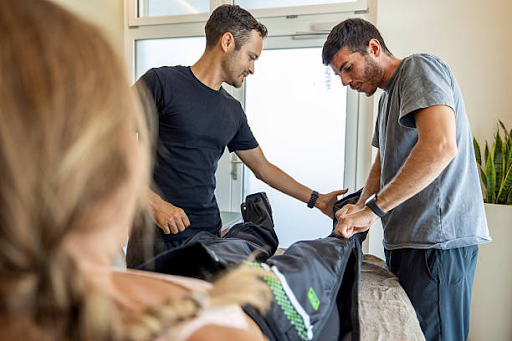
The Ultimate Guide to Workout Recovery
Workout recovery determines your actual fitness progress. Hard training sessions stress your body, breakdown muscle fibers, and deplete energy stores. True growth occurs during rest hours when your body repairs those tissues stronger.
Ignoring proper recovery leads to chronic fatigue, decreased performance, and frequent overuse injuries. Many fitness enthusiasts focus solely on workout intensity while completely missing recovery principles. Balancing intense training with deliberate rest creates sustainable health and strength.
Understanding workout recovery transforms your physical training routine completely. You do not need expensive gadgets to recover effectively every single day. Mastering basic daily habits produces reliable performance gains across all fitness levels.
This complete guide breaks down every crucial aspect of exercise recovery. You will master sleep optimization, post workout nutrition, active rest strategies, and stress management. Let us build a comprehensive recovery plan to unlock your full athletic potential today.
Consistent recovery efforts safeguard your joints and central nervous system. Prioritizing rest empowers you to train hard without crashing. Every smart recovery choice accelerates your personal journey toward peak fitness.
The Biological Science Behind Muscle Recovery
Exercise acts as a controlled stimulus that disrupts your body’s internal stability. Lifting weights creates microscopic tears inside working muscle tissue fibers. High intensity endurance training depletes glycogen stored inside your liver and skeletal muscles.
Your immune system responds to physical stress by initiating a natural inflammatory process. Specialized cells repair damaged muscle fibers, rebuilding them thicker and more resilient than before. This cellular adaptation process is known as muscle hypertrophy.
Without adequate time and cellular raw materials, recovery processes stall completely. Continuous physical breakdown without repair triggers persistent inflammation, systemic fatigue, and performance decline. Giving your body adequate biological resources ensures continuous athletic progress.
Respecting biological recovery timelines prevents long term metabolic burnout. Cellular repair requires patience, proper fuel, and stress reduction. Understanding these biological mechanisms helps you make smarter training decisions.
Optimizing Sleep as Your Primary Recovery Tool
Sleep stands as the single most powerful recovery strategy available to human beings. Deep sleep triggers the release of natural human growth hormone, which accelerates cellular repair.
Skimping on sleep impairs cognitive function, reduces physical reaction time, and increases injury risks dramatically. Sleep deprivation increases cortisol levels, which breaks down hard earned muscle tissue over time.
Aim for seven to nine hours of high quality, uninterrupted sleep every single night. Establish a consistent sleep schedule by going to bed and waking up at identical times daily.
- Keep your bedroom cool, dark, and completely quiet to encourage deep sleep phases.
- Turn off electronic screens sixty minutes before bed to protect natural melatonin production.
- Avoid heavy meals, alcohol, and caffeine late in the evening to preserve sleep depth.
- Practice light breathing exercises before sleep to calm your central nervous system.
Consistently good sleep keeps your hormonal environment optimal for rapid tissue repair. Treating sleep as a non-negotiable appointment maximizes every hour spent inside the gym.
Post-Workout Nutrition and Glycogen Replenishment
Eating the right foods immediately following exercise jumpstarts muscle repair and energy restoration. Physical activity depletes glycogen stores and leaves muscle tissue primed for nutrient absorption.
Combining protein and fast acting carbohydrates delivers optimal post workout recovery results. Protein supplies amino acids for muscle protein synthesis, while carbohydrates rapidly replenish depleted glycogen.
| Recovery Need | Optimal Nutrient Target | Superior Whole Food Sources |
| Muscle Repair | 20 to 40 grams of complete protein | Chicken breast, eggs, salmon, whey protein |
| Glycogen Refill | 0.5 to 0.7 grams of carbs per pound of body weight | White rice, potatoes, bananas, oats |
| Cellular Hydration | 16 to 24 ounces of fluid per pound lost | Water, coconut water, electrolyte drinks |
Consume a balanced recovery meal within one to two hours following intense physical exertion. Prioritizing clean whole foods satisfies your body’s metabolic demands without overloading your digestive system.
Rehydration Strategies and Electrolyte Balance
Water transfers nutrients to damaged muscle cells and flushes metabolic waste products from your bloodstream. Dehydration reduces blood volume, making your heart work significantly harder during physical movement.
Sweating during intense exercise depletes both water and essential electrolyte mineral salts. Replenishing sodium, potassium, and magnesium prevents painful muscle cramps and supports nerve transmission.
Monitor your urine color throughout the day to evaluate your baseline hydration levels. Pale yellow urine indicates healthy hydration, while dark urine signals an immediate need for fluids.
Drink water consistently throughout the day rather than chugging massive amounts all at once. Include electrolyte rich fluids during training sessions that last longer than sixty minutes.
The Benefits of Active Recovery Days
Complete rest days are important, but low intensity active recovery accelerates healing effectively. Active recovery increases blood circulation without causing additional physical stress or tissue damage.
Enhanced blood flow delivers fresh oxygen and vital nutrients to sore muscle tissues. Gentle movement also assists in clearing metabolic byproducts that accumulate during intense training.
- Walk at a comfortable pace for thirty to forty-five minutes in fresh air.
- Perform low intensity yoga or dynamic mobility drills to relieve muscular tightness.
- Go for an easy, light swim to mobilize joints without joint impact stress.
- Enjoy a casual leisure bike ride on flat surfaces to keep legs moving gently.
Active recovery keeps your body nimble while providing a refreshing mental break from hard training. Integrating gentle movement days maintains momentum without risking physical overuse or fatigue.
Understanding Delayed Onset Muscle Soreness
Delayed Onset Muscle Soreness, commonly known as DOMS, usually appears twelve to twenty-four hours post exercise. DOMS peaks around forty-eight hours after intense or novel physical movement patterns.
Microscopic structural damage and local muscular inflammation cause the temporary stiffness and aching associated with DOMS. Experiencing soreness does not automatically mean you achieved an effective, productive workout.
Light aerobic activity, gentle massage, and adequate hydration ease uncomfortable DOMS symptoms naturally. Pushing through severe soreness with intense weight training often leads to poor form and injury.
Allow severely sore muscle groups forty-eight hours of rest before training them aggressively again. Distinguishing between normal soreness and sharp joint pain keeps your body safe.
Cold Therapy and Ice Baths Explained
Cold water immersion lowers skin, muscle, and core body temperatures rapidly following intense exercise. Cold temperatures constrict blood vessels, reducing localized swelling, inflammation, and immediate muscle soreness.
Athletes frequently use ice baths during intense tournament schedules to recover rapidly between events. Immersing your body in cold water for ten to fifteen minutes numbs painful muscle tissues temporarily.
| Cold Therapy Method | Recommended Duration | Primary Physical Benefit |
| Ice Bath / Cold Plunge | 10 to 15 minutes at 50 to 59°F | Reduces immediate inflammation and soreness |
| Contrast Showers | 3 minutes hot, 1 minute cold (4 cycles) | Stimulates blood flow through vasodilation |
| Targeted Ice Packs | 15 to 20 minutes on specific joint | Calms acute localized joint swelling |
Avoid using cold plunges immediately after strength training if maximal muscle growth represents your main goal. Cold immersion blunts the inflammatory signals necessary for long term muscle hypertrophy.
Heat Therapy and Sauna Usage
Heat therapy increases blood vessel diameter, driving warm, nutrient rich blood deep into muscle tissue. Higher temperatures relax tight muscles, soothe stiff joints, and promote deep mental relaxation.
Using a sauna or hot bath post workout improves cardiovascular conditioning and heat acclimatization over time. Sweating aids in clearing skin pores while high heat encourages central nervous system calm.
Spend fifteen to twenty minutes inside a dry sauna or steam room following exercise. Always rehydrate thoroughly with water and electrolytes before and after heat exposure.
Avoid heat therapy if you suffer from acute injuries, open wounds, or severe unmanaged swelling. Alternating heat and cold therapy provides a powerful vascular pumping effect for sore muscles.
Foam Rolling and Soft Tissue Self-Massage
Self-myofascial release, commonly called foam rolling, breaks up tightness in muscle tissue and surrounding fascia. Rolling over sore areas improves tissue elasticity, restores normal joint range of motion, and reduces stiffness.
Foam rolling stimulates neural receptors that signal tight muscles to relax and let go of tension. Spending ten minutes rolling target muscle groups before or after workouts yields noticeable flexibility gains.
- Roll slowly over tender muscle areas, stopping on tight spots for twenty to thirty seconds.
- Avoid rolling directly over bony prominences, joints, or your lower back spine region.
- Maintain deep, relaxed breathing patterns while applying pressure to tight muscle knots.
- Roll your calves, quadriceps, hamstrings, and upper back regularly to maintain tissue health.
Integrating soft tissue work into your routine keeps muscle fibers gliding smoothly over one another. Regular self-massage prevents minor muscular knots from developing into painful chronic movement compensations.
Managing Stress and Cortisol for Recovery
Psychological stress impacts your physical recovery just as severely as intense physical exercise. Financial worries, work pressure, and personal conflict elevate cortisol levels in your bloodstream chronically.
Chronically elevated cortisol suppresses immune function, impairs muscle repair, and disturbs restful sleep cycles. Your brain cannot distinguish between physical training stress and everyday mental anxiety.
Incorporate daily stress management practices like meditation, deep breathing, or quiet outdoor walks. Lowering mental stress shifts your nervous system into a restorative, parasympathetic state.
Protecting your mental well-being accelerates physical repair and preserves total energy reserves. A calm mind creates the ideal physiological environment for rapid cellular healing.
Tracking Recovery Metrics and Readiness
Monitoring objective recovery markers helps you adjust training volume before overtraining occurs. Tracking daily biological data takes the guesswork out of planning workout intensity.
Resting heart rate serves as a simple, reliable indicator of total physical recovery status. An unexpectedly elevated morning resting heart rate often signals incomplete recovery, illness, or excessive stress.
Heart Rate Variability, or HRV, measures the time variation between consecutive heartbeats. High HRV indicates a resilient, well rested parasympathetic nervous system ready for heavy physical effort.
| Metric | Measurement Tool | Target Indicator |
| Resting Heart Rate | Heart rate monitor or pulse check | Stable or lower over time |
| Heart Rate Variability | Smartwatch or chest strap | Higher numbers signal good recovery |
| Sleep Duration | Sleep tracker or journal | 7 to 9 hours consistently |
| Perceived Muscle Soreness | Daily self assessment scale (1 to 10) | Scores below 4 indicate readiness |
Adjust your training plan based on real recovery data rather than rigid calendar schedules. Modifying workout intensity when recovery metrics drop prevents burnout and long term injury setbacks.
Recognizing Signs of Overtraining Syndrome
Overtraining syndrome occurs when physical stress consistently exceeds your body’s total recovery capacity. Pushing past early warning signals leads to prolonged performance drops and systemic hormonal disruption.
Identifying overtraining early allows you to take necessary rest before severe damage takes place. Physical, mental, and emotional symptoms signal that your nervous system requires an extended break.
- Persistent fatigue that fails to improve even after a full night of sleep.
- Unexplained drops in athletic strength, endurance, and workout performance output.
- Chronic joint aches, persistent muscle pain, and frequent minor illnesses or infections.
- Mood swings, irritability, anxiety, loss of training motivation, and clinical depression symptoms.
Recovery from advanced overtraining syndrome requires weeks or even months of mandatory rest. Respecting early fatigue signals saves your athletic career from prolonged, painful setbacks.
Structuring Deload Weeks for Long-Term Progress
A deload week involves a planned reduction in training volume and intensity every few weeks. Scheduling deloads proactively allows accumulated fatigue to dissipate while preserving hard earned fitness gains.
Plan a deload week every four to eight weeks, depending on your training intensity and age. Reducing total workout sets by fifty percent provides ample rest while keeping movement patterns fresh.Focus on technical execution, mobility work, and light active recovery during deload periods. You will return to heavy training the following week feeling exceptionally strong, hungry, and fully recovered.Deloading acts as a powerful investment in your long term athletic longevity and structural joint health. Embracing planned rest prevents unexpected forced breaks caused by severe physical burnout.
Creating Your Personalized Recovery Protocol
No single recovery template fits every individual athlete perfectly due to unique metabolic demands. Building a personalized recovery protocol requires experimenting with different strategies and listening to your body.
Start by solidifying your foundational habits: sleep eight hours, drink ample water, and eat sufficient protein. Once your foundational habits remain solid, layer in secondary tools like foam rolling or saunas.Keep a detailed training and recovery journal to track how specific recovery methods affect your energy. Eliminate strategies that feel tedious or yield minimal personal benefits over time.Consistently executing basic recovery habits produces far greater results than occasionally trying advanced therapies. Build a simple, sustainable protocol that easily fits your daily lifestyle.
Conclusion
Workout recovery is not a passive luxury, but an essential component of athletic success. What you do outside the gym directly determines how well your body adapts to physical challenges. Prioritizing rest transforms your training efforts into lasting strength, muscular endurance, and bulletproof vitality.
Master the fundamental pillars of recovery before spending time or money on advanced gadgets. Sleep seven to nine hours nightly, consume adequate protein and carbohydrates, and stay thoroughly hydrated daily. Integrate active recovery days, manage lifestyle stress, and listen closely to your body’s feedback signals.Build a realistic, consistent recovery routine that supports your long term health and fitness goals. Respect biological rest timelines, schedule regular deload weeks, and protect your central nervous system. Rest deeply, fuel intelligently, and watch your athletic performance reach extraordinary new levels.
Frequently Asked Questions
How many rest days should a beginner take each week?
Beginners should take three to four rest or active recovery days every week. This schedule gives unconditioned muscles, tendons, and joints sufficient time to adapt to new physical demands safely.
Is it okay to work out if my muscles are still sore?
Light exercise targeting non sore muscle groups is perfectly fine and encourages blood flow. However, avoid intense training on muscle groups that remain severely sore and tender to touch.
Do compression garments really help speed up muscle recovery?
Compression sleeves and tights apply light pressure that promotes venous blood return to your heart. Wearing compression wear post workout offers minor reductions in muscle swelling and perceived sore sensations.
How does alcohol consumption impact post workout muscle recovery?
Alcohol suppresses muscle protein synthesis, impairs glycogen re-synthesis, and dehydrates cellular tissues. Drinking alcohol post workout severely delays biological repair processes and disrupts restorative deep sleep.
Should I take a cold plunge before or after my workout?
Take cold plunges several hours after or on non strength training days for best results. Plunging immediately post workout blunts anabolic inflammatory signaling necessary for building maximal muscle mass.
Can stretching right after a workout replace foam rolling entirely?
Static stretching improves muscle length while foam rolling addresses fascial knots and tissue density. Combining gentle post workout stretching with light foam rolling delivers comprehensive flexibility and recovery benefits.
What is the best time of day to do active recovery workouts?
Perform active recovery whenever your schedule permits, preferably during low energy periods like afternoons. Light movement in the evening also calms your nervous system and prepares your body for sleep.
How do I know if I need a complete rest day versus active recovery?
Choose complete rest if you feel systemically exhausted, sick, mentally drained, or injured. Opt for active recovery if you feel mildly stiff but otherwise energetic and mentally motivated to move.
Are recovery supplements like BCAAs necessary if I eat enough protein?
Branch Chain Amino Acids are unnecessary if you meet your daily protein targets through whole foods. Whole protein sources naturally contain all essential amino acids required to trigger muscle repair.
Discover more from Muscle Archive
Subscribe to get the latest posts sent to your email.