
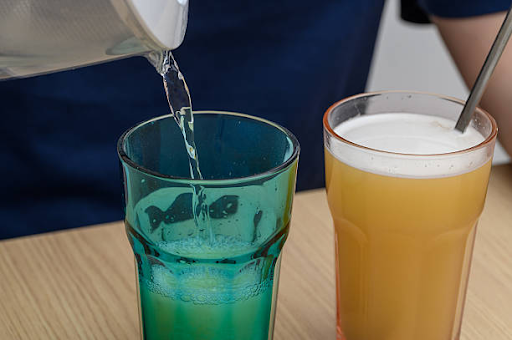
The Science of Electrolytes: Hydration Beyond Water
Water forms the absolute foundation of human survival, biological function, and daily cellular health. Every biological system inside your body relies on steady fluid balance to function smoothly every single day. However, simply drinking plain water does not guarantee proper, functional cellular hydration for your active body. Your internal organs and cells require essential minerals to actually absorb, hold, and utilize that ingested fluid efficiently.
Electrolytes act as the chemical spark plugs that manage your internal cellular fluid dynamics continuously. They conduct vital electrical charges that drive muscular contractions, nerve signal transmission, and deep cellular water balance. Without balanced electrolytes, drinking excess plain water can actually deplete your body of key protective nutrients. This detailed guide explores the fundamental biological science of electrolytes, fluid dynamics, and dynamic cellular hydration.
What Are Electrolytes and How Do They Work?
Electrolytes are essential mineral elements that carry an active electrical charge when dissolved in biological fluids like water. Your internal body fluids contain these charged ions in carefully managed concentration gradients across all tissues.
These microscopic electrical charges allow your cells to generate physical energy and transfer vital nerve impulses instantly. They regulate blood volume, control blood pressure, repair tissue damage, and maintain proper blood alkalinity levels continuously.
- Positively charged ions like sodium and potassium drive vital chemical reactions across semi-permeable cell membranes.
- Negatively charged ions like chloride and phosphate maintain overall cellular fluid stability and internal osmotic balance.
- Cells utilize specialized microscopic ion pumps to move these charged minerals across internal biological barriers dynamically.
- Dynamic electrical current drives cardiac contractions, complex muscle movements, and central nervous system communication continuously.
Electrolytes allow your body to transport water directly through cell walls and into hungry living tissues. Without these essential charged minerals, ingested plain water simply flushes straight through your digestive system without hydrating your cells.
1. The Critical Role of Sodium in Fluid Balance
Sodium serves as the primary positively charged mineral circulating in the fluid spaces outside your living cells. It regulates extracellular fluid volume, total blood volume levels, and arterial blood pressure continuously throughout the day.
Many popular health recommendations suggest drastically reducing dietary sodium intake for generic cardiovascular health benefits. However, physically active individuals require adequate sodium levels to prevent severe cellular dehydration, drop in blood pressure, and physical fatigue.
- Sodium attracts water molecules directly to maintain optimal circulating bloodstream volume and baseline cardiovascular pressure.
- Your body excretes sodium continuously through active sweat, urinary output, and normal digestive tract secretions daily.
- Low sodium levels trigger severe muscle cramping, brain fog, sudden lightheadedness, and intense physical lethargy.
- Proper sodium intake prevents dangerous blood volume drops during long, challenging exercise sessions in warm weather.
Sodium works constantly to keep your extracellular fluid levels perfectly stable and functional. Maintaining adequate sodium preserves athletic endurance, sharp mental focus, and sustained cardiovascular pumping power under stress.

Understanding Potassium and Cellular Hydration
Potassium functions as the principal positively charged mineral located directly inside your individual living cells. It counters the external osmotic action of sodium to maintain steady, healthy cellular fluid pressure from within.
Your body requires potassium to relax arterial walls, support optimal kidney filtration, and stabilize rhythmic heartbeat patterns. Most modern processed diets contain dangerously low amounts of natural, whole-food potassium, creating chronic mineral imbalances.
| Mineral Element | Primary Location in Body | Core Hydration Function |
| Sodium | Extracellular fluid (Outside cells) | Holds fluid in blood vessels and intercellular tissue spaces |
| Potassium | Intracellular fluid (Inside cells) | Draws water directly inside cell membranes to maintain cell volume |
| Chloride | Extracellular fluid (Outside cells) | Maintains proper acid-base balance, stomach acid, and fluid balance |
Balancing internal potassium with external sodium creates optimal cellular fluid exchange across every tissue layer in your body. This delicate chemical balance prevents cellular swelling, internal dehydration, metabolic dysfunction, and sudden muscle weakness.
Magnesium: The Forgotten Hydration Co-Factor
Magnesium acts as a crucial co-factor for over three hundred distinct enzymatic reactions occurring inside human cells daily. It regulates the active sodium-potassium pump mechanism that moves fluid and ions across your cellular membranes continuously.
Without sufficient active magnesium present, your individual cells cannot hold onto potassium or manage incoming sodium properly. Chronic magnesium deficiency causes persistent muscle tightness, poor sleep quality, high stress responses, and chronic dehydration symptoms.
- Magnesium regulates active calcium movement across muscle cells to prevent constant, painful muscle spasms.
- It activates cellular energy production by binding directly to adenosine triphosphate molecules inside mitochondria.
- High physical stress, heavy sweating, intense exercise, and alcohol consumption deplete internal magnesium stores rapidly.
- Whole grains, dark leafy green vegetables, raw nuts, seeds, and dark chocolate supply rich natural magnesium.
Prioritizing daily magnesium intake restores efficient cellular hydration dynamics at the foundational biochemical level. It allows your body to store, regulate, and utilize other key electrolytes like sodium and potassium effectively.
2. Calcium and Chloride: Essential Supporting Ions
Calcium does far more than simply build strong structural bones and healthy teeth throughout your life. It works directly alongside chloride to regulate cellular signaling, nerve transmission, and muscular contraction-relaxation cycles.
Chloride acts as the primary negatively charged ion regulating external fluid balance alongside positively charged sodium. It helps form hydrochloric acid in your stomach to break down essential daily foods and absorb key nutrients.
- Calcium triggers the active contraction phase of all skeletal muscle fibers and cardiac tissues.
- Chloride works directly with sodium to maintain healthy osmotic pressure across all cell membranes.
- Loss of chloride through heavy sweating impairs overall digestive capacity and fluid absorption rates.
- Calcium regulates smooth nerve transmission signals traveling directly throughout your central nervous system.
These supporting minerals maintain the precise chemical environment your cells need to survive and thrive. Ignoring them degrades overall physical performance, digestive efficiency, bone health, and cellular hydration balance over time.
The Sodium-Potassium Pump Explained
Every single living cell in your body features microscopic biological engines called sodium-potassium pumps embedded in its outer membrane. These specialized protein pumps actively move three sodium ions out of the cell while pulling two potassium ions inside.
This continuous pumping mechanism creates a powerful electrical charge across your biological cell membranes at all times. This electrical potential powers nerve signals, muscle contractions, and active cellular water transportation processes across your tissues.
| Parameter | External Sodium Environment | Internal Potassium Environment |
| Ion Concentration | High concentration outside cell membrane | High concentration inside cell cytoplasm |
| Electrical Charge | Positive net exterior charge | Negative net interior charge |
| Hydration Impact | Controls extracellular fluid volume | Controls intracellular volume and cellular swelling |
This pump consumes roughly thirty percent of your body’s total resting baseline energy expenditure every single day. Keeping these cellular pumps constantly supplied with raw minerals maintains optimal physical hydration, cellular energy, and life functions.
Signs You Are Dehydrated (It Is Not Just Thirst)
Thirst provides a surprisingly delayed signal that your body has already lost significant baseline fluid volume and mineral stability. Waiting until your mouth feels dry means your physical performance and cognitive sharp focus have already declined noticeably.
Electrolyte imbalances present clear physical warning signs long before severe clinical dehydration or heat exhaustion sets in. Recognizing these early signals helps you fix fluid issues before they harm your daily productivity and workout capacity.
- Dark yellow or amber-colored urine indicates high waste concentration and an urgent need for fluid replenishment.
- Persistent brain fog, sudden lightheadedness, and unexpected tension headaches signal low circulating blood volume levels.
- Sudden muscle twitching, painful cramps, and physical weakness indicate acute mineral depletion across active muscle beds.
- Dry skin, sunken eyes, rapid resting heart rates, and dry mouth signal severe cellular dehydration conditions.
Monitoring your physical body signals prevents dangerous drops in circulating blood volume and cellular mineral levels during daily activities. Immediate fluid and electrolyte replacement restores natural mental clarity, physical power, and stamina quickly.
3. Water Intoxication: The Hidden Danger of Hyponatremia
Drinking extreme amounts of plain water without replacing lost essential minerals presents serious, potentially life-threatening health risks. This dangerous condition, known clinically as hyponatremia, occurs when blood sodium concentrations drop to abnormally low levels.
Excess plain water dilutes extracellular sodium levels, forcing excess water to rush rapidly inside your body cells through osmosis. This process causes widespread cellular swelling, which becomes particularly dangerous when it affects delicate brain tissues confined within the skull.
- Endurance athletes who drink plain water exclusively over long hours face high risks for acute hyponatremia.
- Symptoms include severe nausea, confusion, sudden vomiting, intense headache, physical seizures, and loss of consciousness.
- Drinking water far beyond natural thirst limits during exercise degrades physical performance and bodily safety rapidly.
- Adding trace minerals or unrefined salt to drinking water prevents dangerous blood sodium dilution during long events.
Proper hydration requires achieving a precise chemical balance rather than simply flooding your body with plain water endlessly. Balance your total water intake with equal mineral replenishment during long physical efforts or hot summer days.
Sweat Rate and Personal Mineral Losses
Every individual possesses a unique biological sweat rate influenced heavily by genetics, heat, ambient humidity, and physical fitness level. Furthermore, the actual concentration of minerals lost through sweat varies dramatically between individual athletes working out under identical conditions.
Salty sweaters leave visible white salt streaks on their dark clothing or skin after completing intense workouts. These individuals lose significantly more sodium per hour than average exercisers, requiring far higher mineral replacement strategies.
| Exercise Intensity Level | Average Hourly Fluid Loss | Recommended Hourly Sodium Intake |
| Light Exercise | 0.5 Liters per hour | 200 to 400 milligrams |
| Moderate Exercise | 1.0 Liters per hour | 500 to 800 milligrams |
| Heavy Endurance | 1.5 to 2.0+ Liters per hour | 800 to 1,500+ milligrams |
Determining your personal sweat losses allows you to build a custom, highly effective fluid replacement protocol. Weighing yourself naked before and after exercise reveals exact hourly fluid loss metrics accurately for future training sessions.
Electrolytes for Athletes and High Performers
Athletic performance drops noticeably when total body weight declines by just two percent due to unreplaced sweat loss. Reduced blood volume forces your cardiovascular system to pump much harder to supply working muscles with oxygen and nutrients.
Electrolytes maintain circulating blood volume, keeping cardiac stress significantly lower during intense, exhausting workouts or competitions. They allow athletes to maintain higher power outputs, sustain stamina, and prevent sudden, painful muscle cramps under pressure.
- Consume a balanced electrolyte beverage thirty minutes before starting heavy physical efforts or hot-weather training.
- Sip mineral-rich fluids every fifteen minutes during long endurance sessions lasting over one hour continuously.
- Combine fast-digesting carbohydrates with sodium to accelerate fluid and nutrient absorption in your small intestine.
- Rehydrate immediately post-workout with water, sodium, and potassium to restore muscle glycogen and repair tissue rapidly.
Strategic electrolyte supplementation protects working muscles from severe structural breakdown, micro-tears, and premature physical fatigue. It allows high performers to train harder, recover much faster, and stay mentally sharp continuously.
4. Daily Lifestyle Factors That Deplete Electrolytes
You do not need to run marathons or lift heavy weights to experience significant daily electrolyte losses and cellular dehydration. Modern lifestyle habits, environmental conditions, stress levels, and dietary choices drain essential minerals quietly from your body every day.
Identifying these daily mineral thieves allows you to adjust your diet and hydration habits accordingly before problems arise. Proactive mineral management protects your daily energy levels, mood stability, sleep quality, and cognitive performance.
- Drinking coffee and caffeine acts as a mild diuretic, increasing urinary mineral excretion throughout your morning.
- Consuming alcohol blocks antidiuretic hormone production in the brain, driving rapid dehydration and severe hangover symptoms.
- Low-carbohydrate and ketogenic diets cause the kidneys to excrete large amounts of stored sodium and water rapidly.
- High ambient temperatures and artificial indoor heating increase subtle baseline fluid losses through breathing and skin evaporation.
Compensating for these lifestyle factors requires intentional mineral consumption throughout your daily routine rather than plain water alone. Adding mineral-rich whole foods or unrefined salt to your meals restores essential internal hydration stores effortlessly.
Whole Foods vs Synthetic Electrolyte Drinks
Commercial sports drinks often contain artificial food dyes, cheap chemical additives, synthetic preservatives, and massive sugar quantities. These refined sugars cause rapid blood glucose spikes followed by severe energy crashes during daily activities or long workouts.
Whole foods and clean natural beverages supply rich electrolyte profiles alongside essential vitamins, minerals, and protective antioxidants. Choosing natural mineral sources nourishes your body without introducing unwanted artificial chemicals, synthetic dyes, or excess calories.
- Coconut water supplies exceptionally high levels of natural, bioavailable potassium along with gentle natural sugars.
- Fresh watermelon juice provides rich potassium, natural magnesium, and performance-boosting l-citrulline for blood flow.
- Unrefined sea salt or Himalayan pink salt contains sodium alongside dozens of beneficial trace minerals for daily use.
- Bone broth delivers high sodium, potassium, calcium, and collagen proteins that support gut health and joint repair.
Replacing synthetic sports drinks with natural, mineral-rich whole food sources improves overall digestive health and cellular nutrition. Whole food mineral sources sustain daily energy levels effectively without causing sudden sugar crashes or stomach distress.
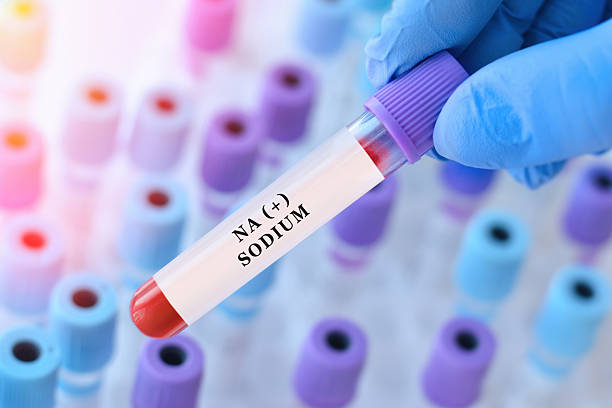
5. How to Make a Simple Homemade Hydration Drink
Creating your own custom electrolyte beverage at home saves money and eliminates unnecessary artificial ingredients completely. You can mix basic, inexpensive kitchen staples to create a powerful, highly absorbable hydration solution in seconds.
The strategic combination of natural fruit juice, unrefined sea salt, and clean water creates an ideal osmotic balance for rapid absorption. The natural fruit sugars speed up sodium and water transportation across your intestinal wall significantly.
- Mix two cups of pure water or plain coconut water as your liquid baseline foundation.
- Add one-quarter teaspoon of high-quality unrefined sea salt or pink salt for essential sodium.
- Squeeze in the fresh juice of one lime or lemon for potassium, Vitamin C, and natural flavor.
- Stir in one teaspoon of raw honey or pure maple syrup for optimal sodium-glucose carbohydrate transport.
Sip this clean homemade blend during intense workouts, hot summer days, illness recovery, or periods of high mental stress. It supplies your body with clean, rapidly absorbed minerals without artificial additives, dyes, or excessive commercial costs.
The Interplay Between Hydration and Mental Performance
Your brain consists of approximately seventy-five percent water, making it extremely sensitive to slight shifts in fluid balance and mineral concentrations. Even mild dehydration of just one to two percent impairs cognitive performance, short-term memory, executive functioning, and mood stability noticeably.
Electrolytes regulate the electrical signaling between neurons in your central nervous system that govern focus, processing speed, and reaction time. When sodium and potassium levels drop, neuronal firing becomes sluggish, leading directly to mental fatigue and poor decision-making.
- Maintaining adequate sodium levels prevents tension headaches and preserves focus during demanding mental tasks.
- Potassium and magnesium support healthy nerve signal transmission, lowering anxiety and reducing brain fog naturally.
- Proper cellular hydration keeps cerebrospinal fluid circulating smoothly to cushion brain tissue and flush metabolic waste.
- Sipping mineral-enhanced water during long study or work sessions sustains cognitive performance far better than plain water.
Prioritizing electrolyte balance is just as vital for mental clarity and productivity as it is for athletic performance. Keeping your brain hydrated with charged minerals ensures optimal focus, sharper memory, and steady mental stamina all day long.
Hydration and Gut Health: The Intestinal Barrier
Your digestive tract relies on a delicate balance of fluid and electrolytes to digest food, absorb nutrients, and maintain a healthy mucosal lining. Electrolytes like sodium and chloride play an active role in driving nutrient absorption across the intestinal wall into the bloodstream.
Dehydration or mineral depletion weakens the tight junctions of your gut lining, leading to increased intestinal permeability and digestive discomfort. Furthermore, severe electrolyte imbalances can slow down stomach emptying and gut motility, causing bloating, gas, or constipation.
- Sodium paired with glucose drives active water absorption in the small intestine through specialized co-transporters.
- Chloride is essential for producing hydrochloric acid in the stomach, which breaks down protein and kills harmful pathogens.
- Magnesium supports smooth muscle contraction in the digestive tract, encouraging regular bowel movements naturally.
- Adequate hydration maintains the protective mucus layer that shields your stomach lining from harsh digestive acids.
Supporting your gut with proper fluid and mineral balance optimizes digestion, protects against leaky gut issues, and ensures maximum nutrient absorption from every meal you consume.
Conclusion
Optimal human hydration requires far more than simply drinking endless gallons of plain water throughout your day. Real cellular fluid balance relies entirely on maintaining a precise, dynamic balance of essential minerals like sodium, potassium, magnesium, calcium, and chloride. These charged ions act as fundamental biological conductors, driving nerve signal transmission, muscular performance, cardiac rhythms, and intracellular water retention. Drinking excessive plain water without replacing lost minerals dilutes blood sodium levels, degrading physical performance, cognitive focus, and overall vitality. Focus on consuming mineral-dense whole foods, salting your meals appropriately with unrefined salt, and utilizing clean hydration protocols when sweating. Mastering the biological science of electrolytes unlocks sustained physical energy, faster exercise recovery, sharp cognitive focus, and superior long-term health.
Frequently Asked Questions
Can I drink too many electrolytes in a single day?
Yes. Consuming extreme amounts of concentrated electrolytes can strain your kidneys and cause digestive upset, diarrhea, or nausea. Stick to recommended daily mineral intake guidelines unless you are sweating heavily for hours during intense physical exertion.
Is plain tap water enough for someone who works a desk job all day?
Plain tap water is generally sufficient for low-activity desk workers who consume balanced, nutrient-dense whole-food meals regularly. Salting your whole food meals to taste provides adequate baseline daily electrolytes without requiring special sports drinks.
Why do low-carb and ketogenic diets cause rapid electrolyte losses?
Lowering carbohydrate intake reduces circulating insulin levels significantly in the body. Lower insulin signals your kidneys to excrete large amounts of stored sodium and water rapidly through increased urinary output.
Do electrolyte drinks help cure or prevent severe alcohol hangovers?
Yes. Alcohol suppresses antidiuretic hormone, causing heavy fluid and mineral loss through frequent urination. Replenishing lost water, sodium, potassium, and magnesium helps reduce hangover headaches, brain fog, fatigue, and nausea significantly.
How do I know if I need more sodium or more potassium in my diet?
Muscle cramps, low blood pressure, lightheadedness, and strong cravings for salty foods usually indicate low sodium levels. Persistent muscle weakness, high blood pressure, fluid retention, and heart palpitations often point toward insufficient daily potassium intake.
Are electrolyte supplements safe for people with high blood pressure?
Individuals with high blood pressure, heart conditions, or kidney disease should consult a medical professional before using high-sodium supplements. However, increasing dietary potassium often helps lower elevated blood pressure naturally by balancing sodium levels.
Does cold water hydrate your human body faster than warm water?
Cold water empties from the stomach slightly faster than warm water, driving slightly quicker fluid absorption into the bloodstream. However, total fluid volume and mineral concentration impact real cellular hydration far more than water temperature alone.
Discover more from Muscle Archive
Subscribe to get the latest posts sent to your email.