

How to Track Your Fitness Progress Without Guesswork
Tracking fitness progress keeps your health transformation clear and predictable. Guessing your daily results leads to frustration, lost motivation, and plateaus. You need reliable measurements to know if your routine actually works.
Many beginners rely strictly on standard bathroom scales for validation. Weight fluctuates daily due to water retention, digested food, and hormonal shifts. The scale fails to distinguish between muscle gain, water, and fat loss.
Data-driven tracking eliminates emotional stress during your fitness journey. When you collect objective metrics, you make intelligent training and nutrition adjustments. You no longer wander blindly or abandon effective workout plans prematurely.
This guide provides a comprehensive system for tracking your physical progress accurately. You will master body measurements, performance logs, digital tools, and biofeedback signals. Let us replace guesswork with clear, actionable data to reach your goals.
Consistent measurement builds confidence and holds you accountable every week. Tracking transforms abstract goals into manageable, measurable milestones. Clear tracking methods keep your long term health transformation completely on schedule.
The Limitations of Relying Solely on the Scale
Standard bathroom scales measure your total gravitational mass against the floor. They cannot tell the difference between lean muscle tissue, bone, organ weight, and stored fat.
Dropping weight rapidly often indicates lost water and muscle rather than fat. Gaining weight can mean your body built heavy, dense muscle tissue while shedding fat mass.
- Scale weight changes constantly throughout any single twenty-four hour period.
- Salty meals cause temporary cellular fluid retention, spiking morning scale weight.
- Intense weight training inflames muscle fibers, causing temporary local water storage.
- Stress hormones raise fluid retention, masking true fat loss for weeks at a time.
Focusing strictly on weight creates unnecessary emotional highs and lows daily. View scale numbers as one small data point among many comprehensive health tracking tools.
Evaluating multiple tracking metrics prevents false panic when scale numbers stall temporarily. Real physical transformation happens beneath the surface long before scales reflect changes.

Understanding Body Composition Over Simple Body Weight
Body composition breaks your total mass into two main categories. Mass divides into fat-free mass, like muscle and bone, and fat mass.
Tracking composition ensures you lose body fat while retaining valuable lean muscle. Preserving lean muscle maintains your baseline metabolic rate, burning more energy naturally daily.
| Assessment Method | Accessibility Level | Accuracy Level | Primary Pros and Cons |
| DEXA Scan | Medical Clinic / Lab | Exceptionally High | Expensive, precise bone and fat distribution details |
| Skinfold Calipers | Gym / Home Use | Moderate to High | Low cost, requires skillful technique for accuracy |
| Bioelectrical Impedance | Home Smart Scales | Moderate | Highly convenient, sensitive to daily hydration shifts |
Monitoring changes in your composition gives an accurate picture of health. A person can maintain identical scale weight while shrinking their waistline significantly.
Shifting composition improves athletic performance and joint health far better than weight loss. Prioritize fat loss over scale weight reduction to build a resilient physique.
Mastering Circumference Tape Measurements Correctly
Girth measurements offer a simple, cost-effective way to track physical body changes. Muscle tissue takes up less space than fat mass per pound of weight.
Measuring key body sites reveals subtle shape changes that scales routinely miss. Use a flexible, non-stretch fiberglass tape measure for maximum consistency every single time.
Record measurements every two to four weeks under identical daily testing conditions. Take readings first thing in the morning before eating or completing workouts.
- Pull the measuring tape taut around target skin without compressing soft tissue.
- Measure your chest across the nipple line while keeping your arms relaxed at the sides.
- Wrap the tape around your waist at the narrowest point or navel level.
- Measure hips around the widest section of your gluteal muscles consistently.
Document your numbers in a dedicated journal or smartphone spreadsheet immediately. Consistent girth reductions around your waist signal clear, undeniable fat loss progress.
Tracking tape measurements proves your body is shrinking even when scale numbers pause. Keep your technique consistent to maintain clean, reliable data over time.
Utilizing Progress Photography for Visual Proof
Your eyes adapt to your reflection daily, making gradual changes invisible to you. High quality progress photos provide undeniable visual evidence of your physical body evolving.
Inconsistent photo conditions ruin comparisons and create misleading visual illusions. You must standardize lighting, camera angles, clothing, and distance for every single photo shoot.
Take front, side, and back profile photos every three to four weeks. Keep your posture natural without flexing, sucking in your stomach, or posing dramatically.
Use natural window light or bright overhead indoor lighting for clear visual details. Wear form-fitting clothing or swimwear so you can evaluate muscle definition easily.
Save digital photos in a secure album labeled with the exact date taken. Comparing photos side by side reveals muscle tone and posture improvements clearly.

Logging Workouts to Measure Progressive Overload
Physical progress extends far beyond your external mirror appearance and body weight. Tracking exercise performance confirms that your neuromuscular system adapts to physical training demands.
Progressive overload requires gradually increasing work demand on your muscles over time. If your strength numbers rise consistently, your body maintains lean muscle mass efficiently.
| Exercise Metric | How to Calculate | Weekly Target Goal |
| Training Volume | Sets multiplied by Reps multiplied by Weight | Gradual total increase over training cycles |
| Repetition Range | Total completed reps per working set | Hitting top end of target rep range clean |
| Rest Intervals | Stopwatch tracking between working sets | Maintaining performance with equal or shorter rest |
Log every exercise, load lifted, set count, and complete repetition every workout. Note if an exercise felt remarkably easy or exceptionally difficult during execution.
Reviewing your workout log highlights plateaus early, allowing fast program adjustments. Lifting heavier weight or completing extra reps confirms real physical progression without guesswork.
Tracking Daily Nutrition with Precision
Exercise drives physical adaptation, but proper nutrition controls your body composition changes. Guessing your daily food intake leads to unintentional overeating or severe under-fueling.
Weighing food on a digital kitchen scale provides exact accuracy regarding portions. Measuring cups and spoon estimates often introduce massive caloric errors into your daily tracking.
Use a smartphone food logging application to scan barcodes and record meals instantly. Track total daily calories alongside primary macronutrients like protein, carbohydrates, and fats.
- Consume adequate daily protein to support tissue repair and preserve lean muscle.
- Log cooking oils, sauces, salad dressings, and small snacks that add hidden calories.
- Track daily intake consistently for two weeks to establish an accurate calorie baseline.
- Adjust daily food volume based on weekly average weight and body composition trends.
Accurate nutritional tracking takes the mystery out of stalled weight loss progress. Knowing your exact input numbers allows precise adjustments to keep fat loss moving.
Monitoring Biofeedback Signals for Total Recovery
Your body sends constant physical signals regarding stress, fatigue, and recovery levels. Ignoring biofeedback signals leads directly to overtraining, systemic burnout, and joint injuries.
Track subjective recovery markers alongside hard physical metrics every morning in your journal. Rate your sleep quality, daily stress levels, muscle soreness, and energy output daily.
A drop in physical energy paired with persistent soreness indicates insufficient recovery time. You may need extra food, longer sleep, or a lighter workout session.
Consistent high energy, stellar mood, and zero joint pain signal optimal training balance. Listen to internal biological feedback to maintain long term physical consistency without crashing.
Balancing hard physical output with proper rest guarantees continuous, uninterrupted training progress. Record biofeedback markers to protect your health and optimize recovery.
Utilizing Wearable Fitness Technology Wisely
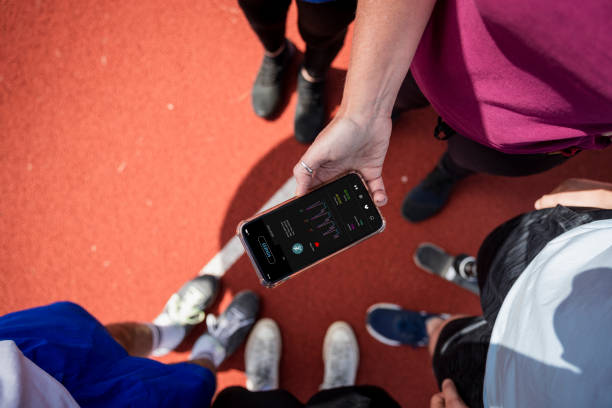
Wearable fitness trackers, smartwatches, and heart rate rings collect endless daily data. They monitor daily steps, heart rate variability, sleep stages, and active caloric burn.
Use wearable tech data to identify long term lifestyle trends rather than absolute facts. Calorie burn algorithms on smart devices feature wide variance and occasional margin of error.
Focus heavily on daily step counts to measure your Non-Exercise Activity Thermogenesis, or NEAT. NEAT accounts for energy burned during casual daily movements like walking and chores.
Monitor baseline resting heart rate trends over several weeks using your wearable device. A rising resting heart rate signals systemic fatigue, mental stress, or impending illness.
Treat fitness technology as a supportive guide rather than the ultimate authority on health. Combine digital tech metrics with manual measurements for a balanced tracking system.
Calculating Weekly Averages to Smooth Fluctuation Spikes
Daily body weight swings up and down due to water, digestion, and stress. Panic sets in when you focus strictly on isolated daily scale weight numbers.
Weigh yourself every morning after using the restroom but before eating food. Write down the number daily, but avoid making drastic routine changes based on single days.
Add your daily scale weights together at the end of seven consecutive days. Divide that sum by seven to establish your accurate average scale weight for the week.
Compare weekly averages month to month to identify genuine weight and fat trends. If your weekly average drops consistently, your nutrition plan works as intended.
Using weekly averages removes emotional stress and reveals clear, accurate physical progress. Averages smooth out temporary spikes, keeping your focus on long term success.
Testing Athletic Performance and Functional Fitness
Functional fitness testing evaluates how well your body performs physical work in motion. Improved strength, cardiovascular stamina, and agility reflect real biological health gains clearly.
Set up simple quarterly physical benchmarks to test your physical capabilities directly. Time your one-mile run, count maximum push-ups, or test a core plank hold.
| Performance Test | Target Metric | What It Measures |
| Max Push-Up Test | Total completed repetitions | Upper body muscular endurance and core strength |
| 1-Mile Walk/Run Test | Total time to complete | Cardiorespiratory endurance and aerobic capacity |
| Plank Hold Test | Total time in clean position | Isometric core stability and endurance capacity |
| Bodyweight Squat Test | Repetitions in 60 seconds | Lower body endurance and joint mobility baseline |
Record your baseline test scores when starting a new structured exercise regimen. Retest your physical performance metrics every eight to twelve weeks under identical conditions.
Beating your previous physical test scores confirms real biological adaptation and functional growth. Performance improvements prove your exercise program works even if body shape changes slowly.
Establishing Baseline Strength Standards
Tracking maximum load strength across foundational movement patterns confirms proper physical development. Functional movements include squatting, hip hinging, pushing, pulling, and carrying heavy loads.
Build a log of your estimated five-rep or ten-rep strength maximums safely. You do not need to test dangerous one-rep maximums to measure real strength gains.
Calculate your total working training volume for key lifts every single week. Raising your overall training volume over time forces your skeletal muscle tissue to adapt.
- Record weight lifted and reps completed for the barbell or dumbbell squat.
- Track progress on deadlifts or hip thrusts to evaluate posterior chain strength.
- Log overhead pressing and bench pressing to monitor upper body pushing power.
- Record barbell rows and pull-ups to measure upper body pulling strength.
Balanced strength gains across all movement patterns protect your joints from chronic imbalances. Documenting strength standards proves that your physical system builds resilient, functional muscle.
Tracking Mobility, Flexibility, and Joint Health
Fitness encompasses full joint mobility, physical balance, and pain-free movement capability. Gaining strength while losing joint flexibility limits athletic movement and increases injury risks.
Assess your flexibility quarterly using simple, repeatable movement range tests cleanly. Track your sit-and-reach distance, shoulder mobility, and deep ankle dorsiflexion angles.
Document any joint pain, stiffness, or discomfort experienced during training sessions daily. Decreasing joint pain during daily tasks indicates improved movement mechanics and tissue health.
- Measure how far your fingers reach toward your toes during forward bends.
- Test shoulder overhead reach against a flat wall to check spine alignment.
- Check ankle flexibility by measuring knee distance to a wall during lunges.
- Log daily joint morning stiffness levels using a basic 1-to-10 numerical scale.
Maintaining mobile, comfortable joints allows you to train consistently without taking forced breaks. Track mobility improvements to preserve your physical movement quality for decades ahead.
Avoiding Over-Tracking and Data Fatigue
Collecting health data empowers you, but excessive tracking creates unnecessary mental anxiety. Obsessing over every single calorie or step count ruins your relationship with exercise.
Choose three or four primary tracking metrics that align directly with your current goals. Fat loss goals require nutrition logs, waist measurements, and weekly weight averages.
If tracking nutrition triggers anxiety, switch to simple habit-based tracking systems instead. You can track hand-portioned protein choices, vegetable servings, and daily water consumption instead.
Take planned breaks from strict tracking every few months to recharge your mind. Use intuition and established healthy habits during breaks to maintain your progress effortlessly.
Fitness data should serve your life rather than rule your entire daily schedule. Keep tracking simple, efficient, and focused on metrics that provide genuine value.
Structuring a Sustainable Weekly Tracking Routine
Organization keeps your health tracking consistent, fast, and stress-free every week. Designate specific days and times for recording different physical health metrics cleanly.
Weigh yourself daily in the morning to calculate your accurate weekly scale average. Log your workouts inside your gym application or notebook immediately after training sessions finish.
Take body tape measurements and progress photos once or twice per month maximum. Review your complete data collection monthly to decide if routine adjustments are necessary.
- Daily: Log food intake, step counts, sleep duration, and morning body weight.
- Weekly: Calculate average body weight and review total completed exercise sessions.
- Monthly: Take progress photographs, record tape measurements, and review strength logs.
- Quarterly: Conduct physical performance tests, mobility assessments, and body composition scans.
Following a structured schedule prevents tracking from consuming your entire daily routine. Systemizing your data collection keeps your focus on executing healthy habits daily.
Conclusion
Tracking fitness progress without guesswork transforms your health journey into a clear, predictable science. Moving past exclusive reliance on bathroom scales protects your mental well-being and highlights real physiological progress. You now possess a complete system encompassing tape measurements, nutrition logs, performance benchmarking, and biofeedback monitoring.
Combine multiple tracking methods to gain an honest, comprehensive view of your body’s physical evolution. Calculate weekly weight averages, document your lifting numbers, and take consistent, standardized progress photographs. Listen closely to biological signals like sleep quality, energy levels, and joint comfort to optimize recovery.
Consistency with your tracking system turns abstract health goals into manageable, achievable daily milestones. Focus on steady, incremental improvements across all physical metrics rather than chasing overnight body transformations. Master your data, trust your structured process, and enjoy the lasting physical results of your hard work.
Frequently Asked Questions
How often should I take progress photos to see real changes?
Take progress photos every three to four weeks under identical lighting, clothing, and time conditions. Taking photos daily makes visual progress invisible and causes unnecessary emotional frustration.
What should I do if my weight stalls for two weeks straight?
Do not panic or make drastic caloric cuts after only two weeks of stalled scale weight. Check your weekly scale averages, tape measurements, and photo comparisons to verify if fat loss actually stopped.
Are smart scales accurate for tracking body fat percentage at home?
Smart scales use bioelectrical impedance, which fluctuates wildly based on daily hydration and stomach contents. Use smart scales to monitor long term percentage trends rather than accepting single daily readings as truth.
What is the most accurate way to track workout intensity?
Log the exact weight lifted, repetitions completed, and rest periods taken during every training session. Rating your Rate of Perceived Exertion on a scale of 1 to 10 also measures intensity cleanly.
Do I need to track calories forever to maintain my fitness results?
No, tracking calories acts as an educational tool to teach you portion sizes and energy density. After building strong habits, you can transition to intuitive eating while monitoring body measurements.
How do I know if I am losing muscle instead of fat?
Losing muscle causes rapid strength drops in the gym, severe energy crashes, and soft physical appearance. If your gym strength remains high while your waist measurement shrinks, you are shedding fat mass.
What is NEAT and why should I track my daily steps?
NEAT stands for Non-Exercise Activity Thermogenesis, which represents calories burned during casual daily movements. Tracking steps ensures your daily background movement stays high, supporting fat loss without adding fatigue.
How do I track progress if my primary goal is joint pain relief?
Keep a daily pain and mobility journal rating joint comfort from 1 to 10 during daily tasks. Document increases in pain-free movement ranges and decreases in morning joint stiffness over time.
Should I adjust my diet if my scale weight goes up after weightlifting?
No, lifting weights causes temporary micro-tears in muscle fibers, leading to protective local water retention. This temporary water weight gain fades naturally within a few days as muscles repair.
Discover more from Muscle Archive
Subscribe to get the latest posts sent to your email.